
Last updated September 10, 2026
Level 1 sweep and inspection to the NFPA 211 annual standard - flue, crown, cap, and flashing checked and photographed
Chimney sweep logs do not sweep chimneys. They loosen some creosote - which then falls where a brush and vacuum still have to collect it.
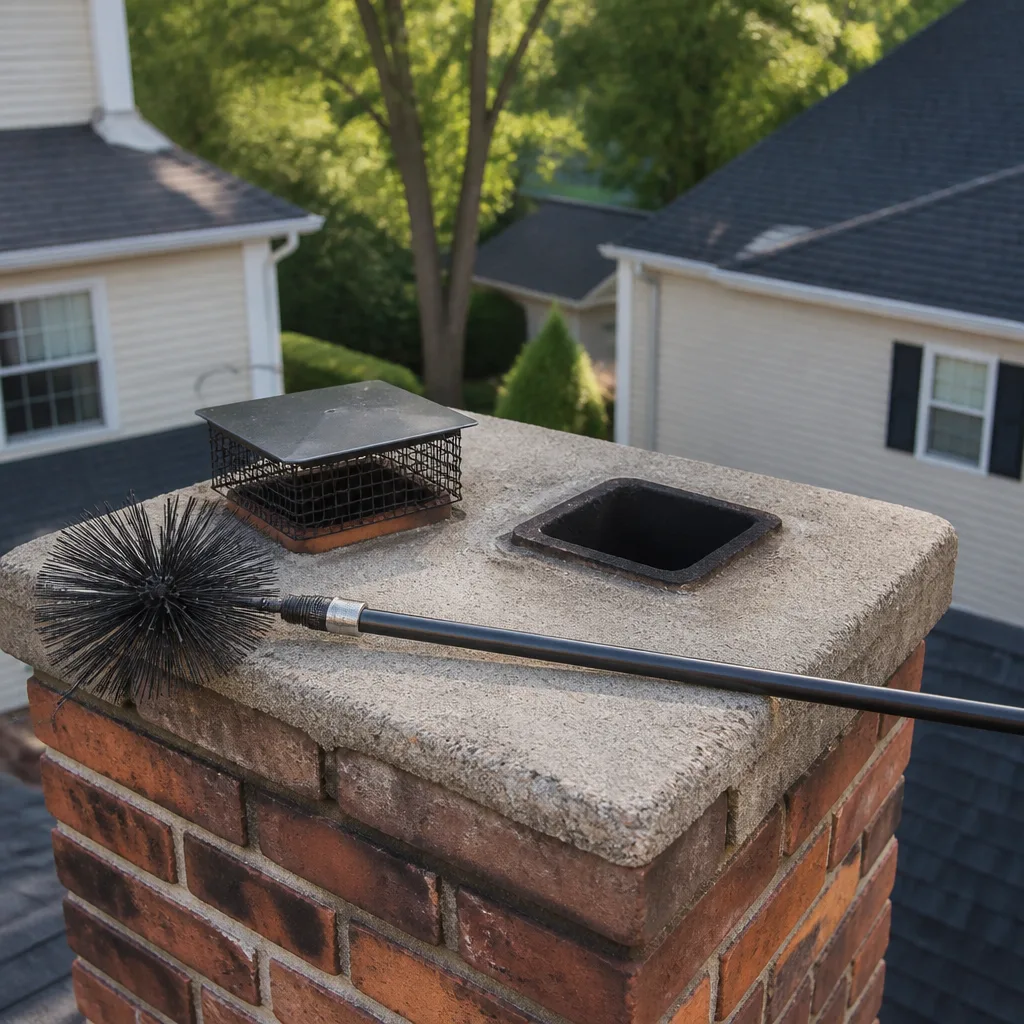
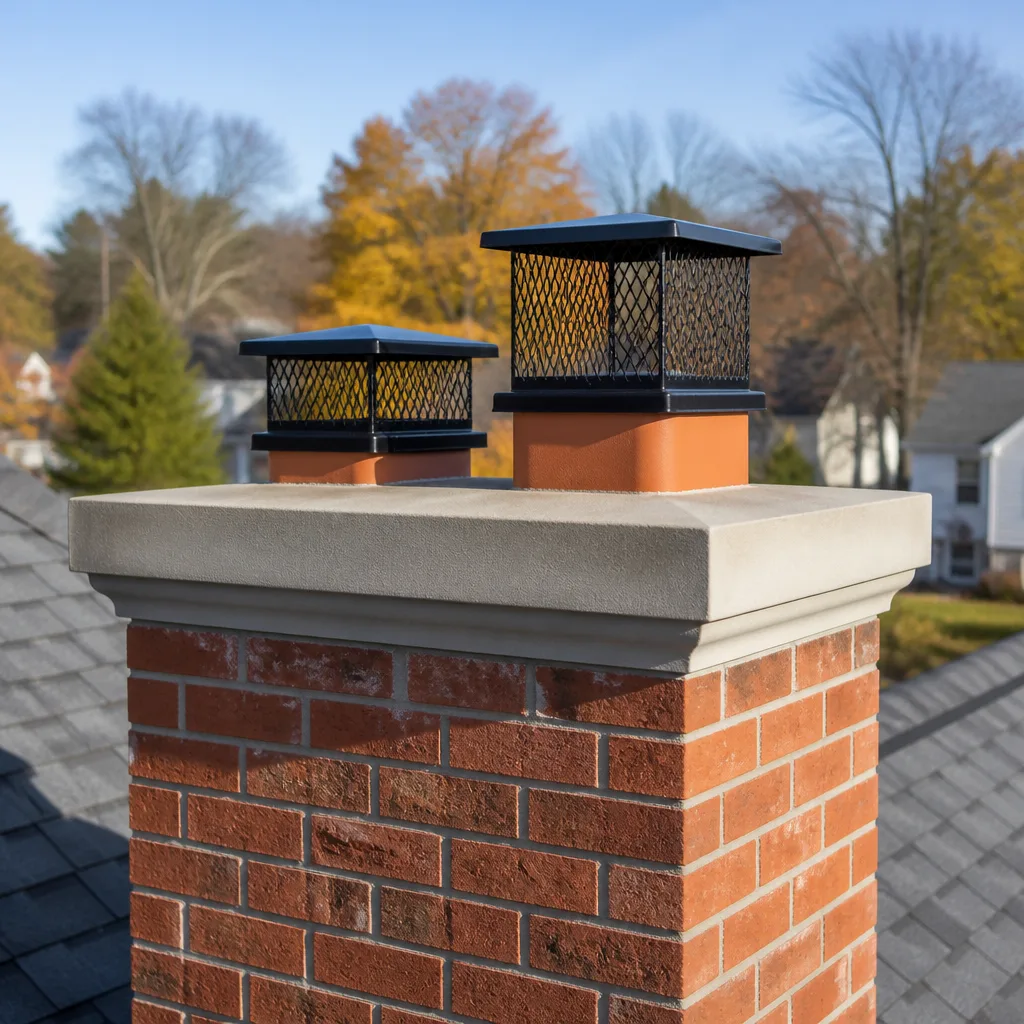
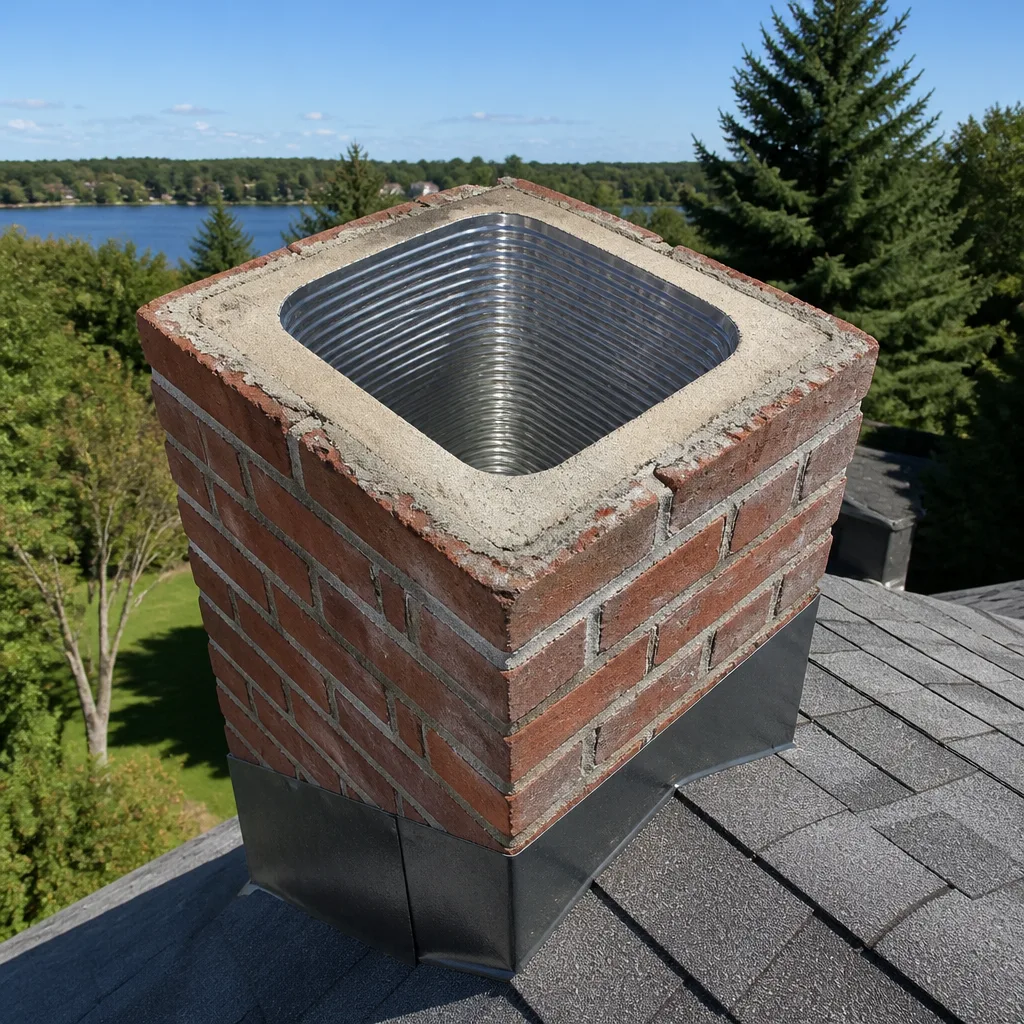
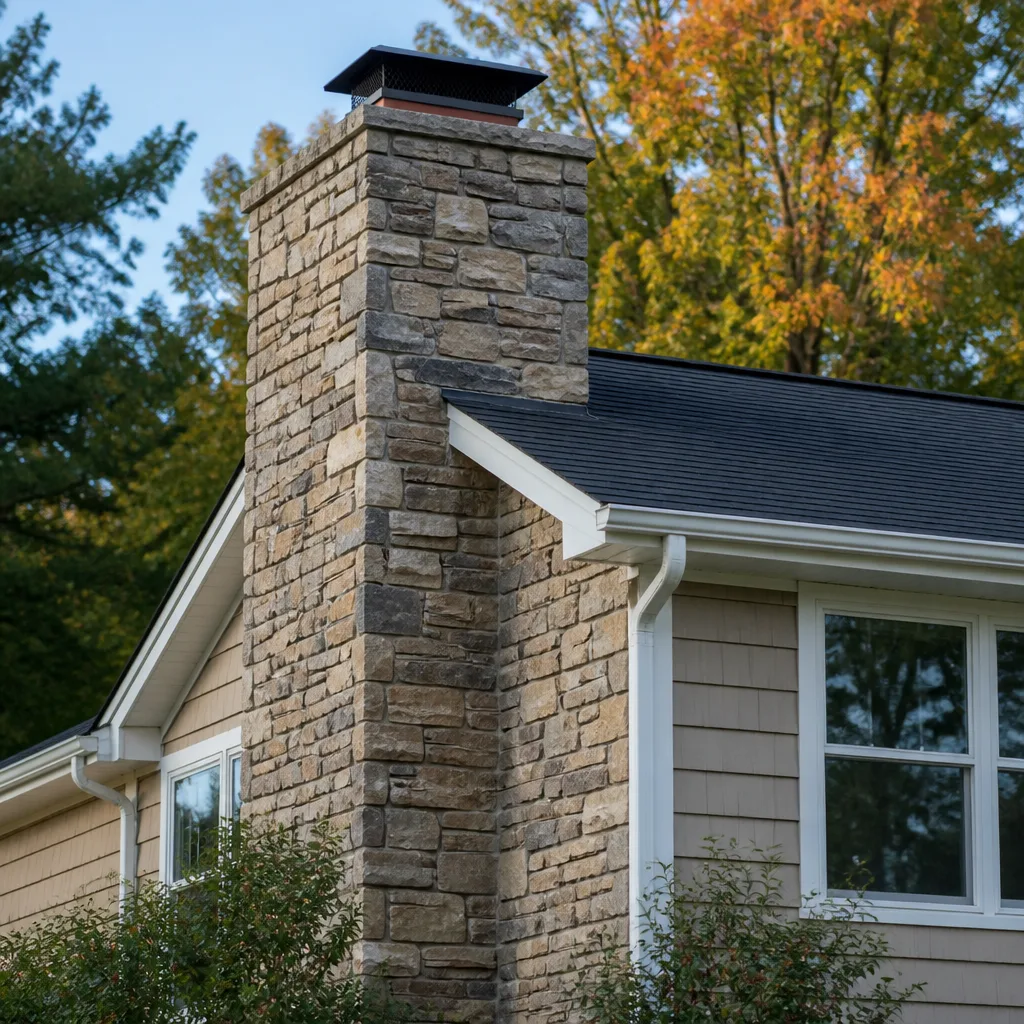
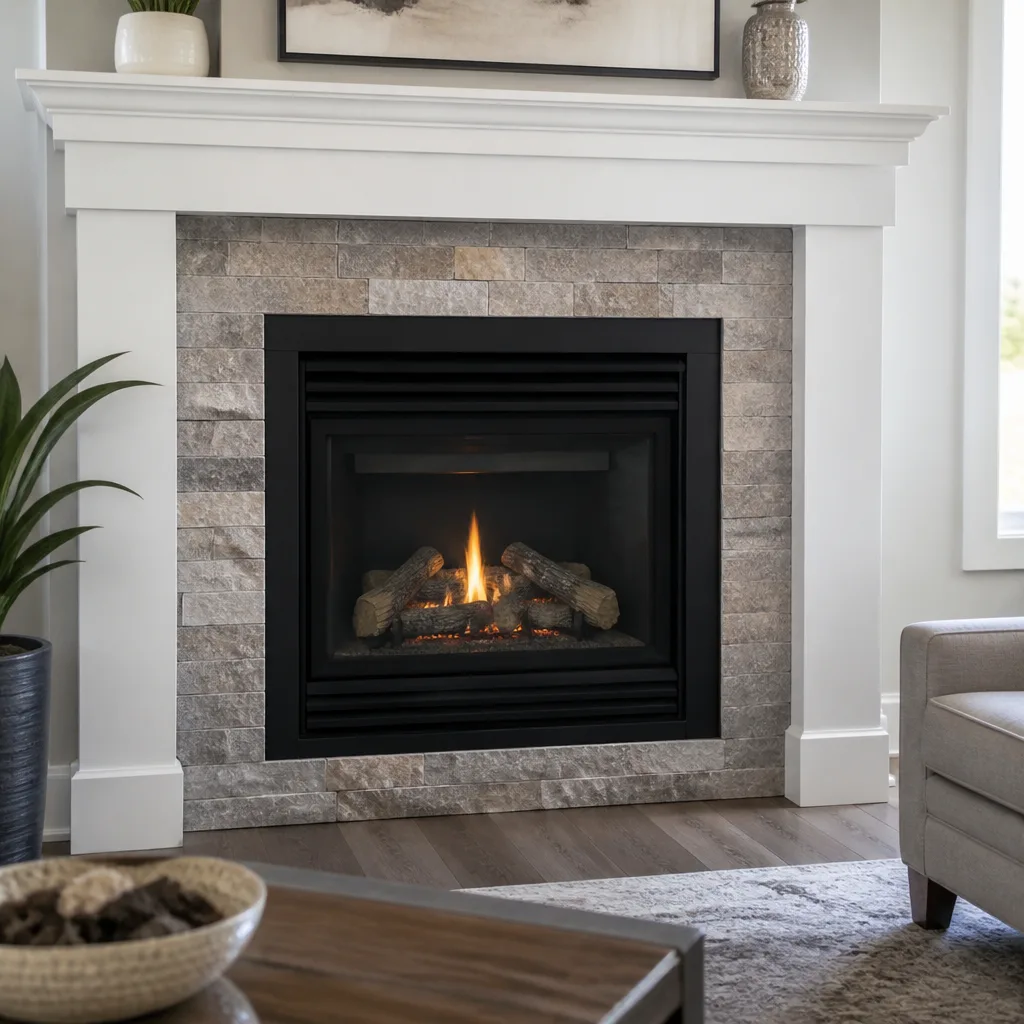
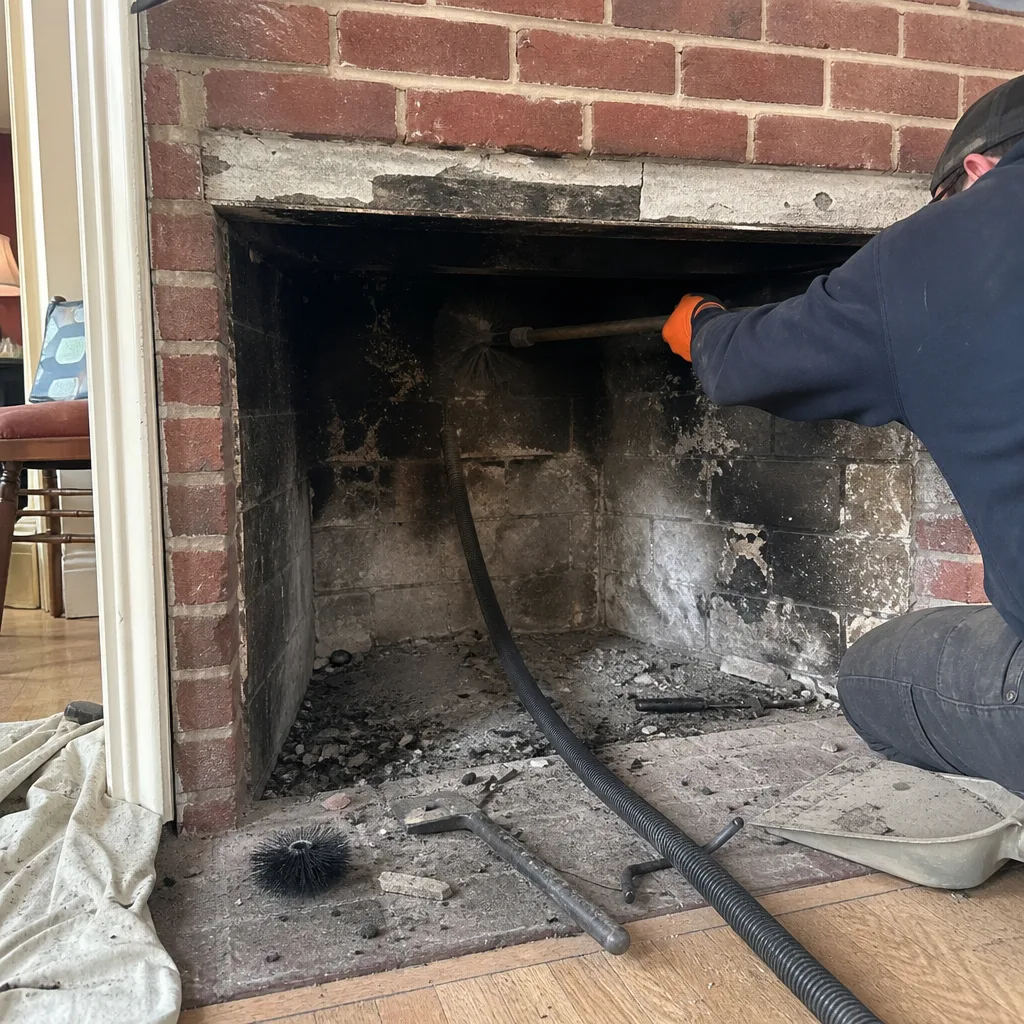 Before
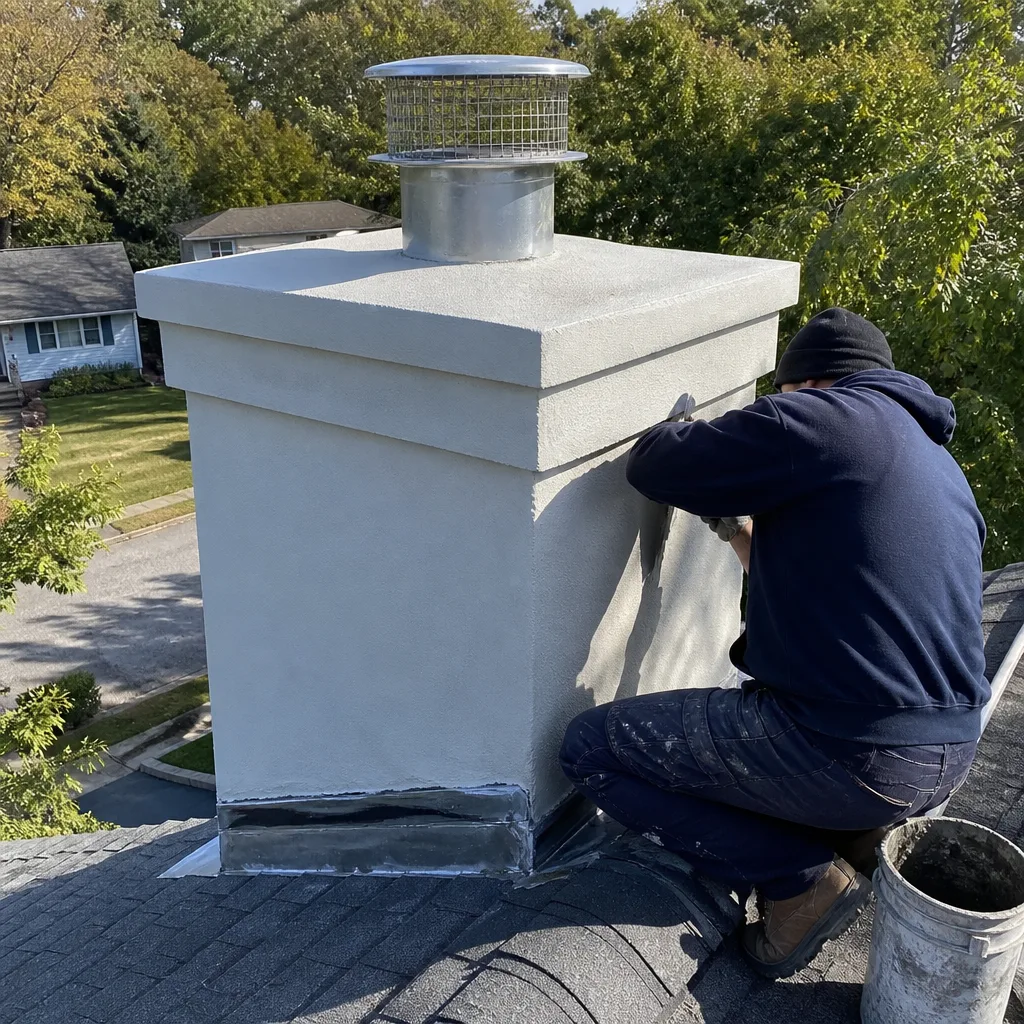 After
After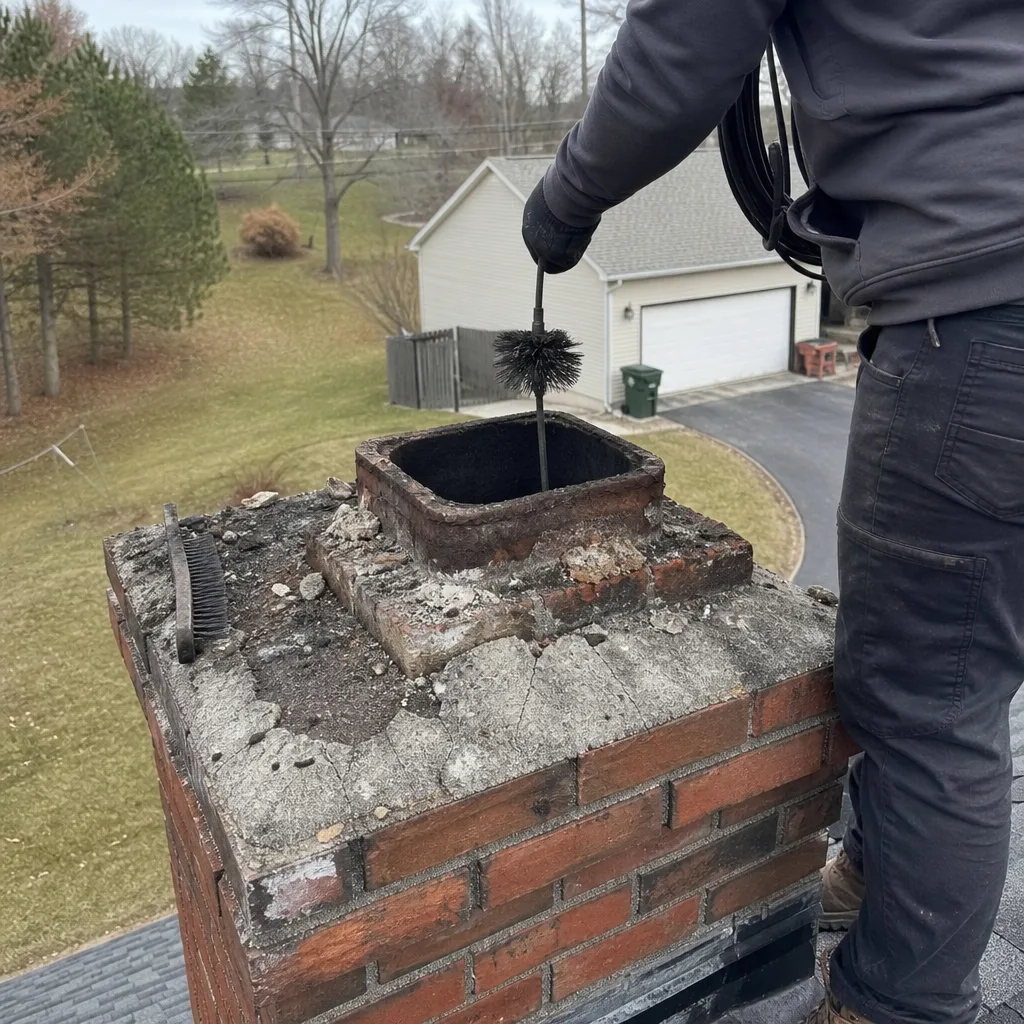 Before
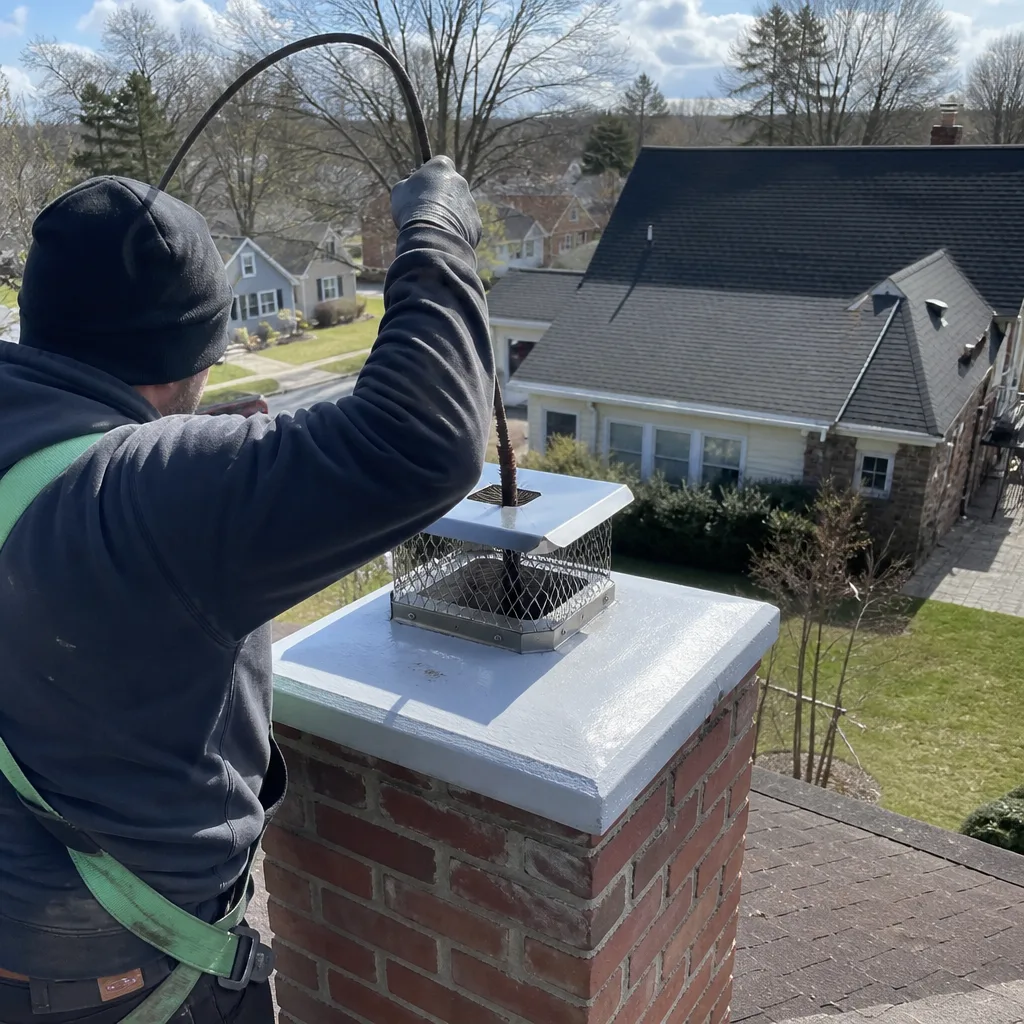 After
After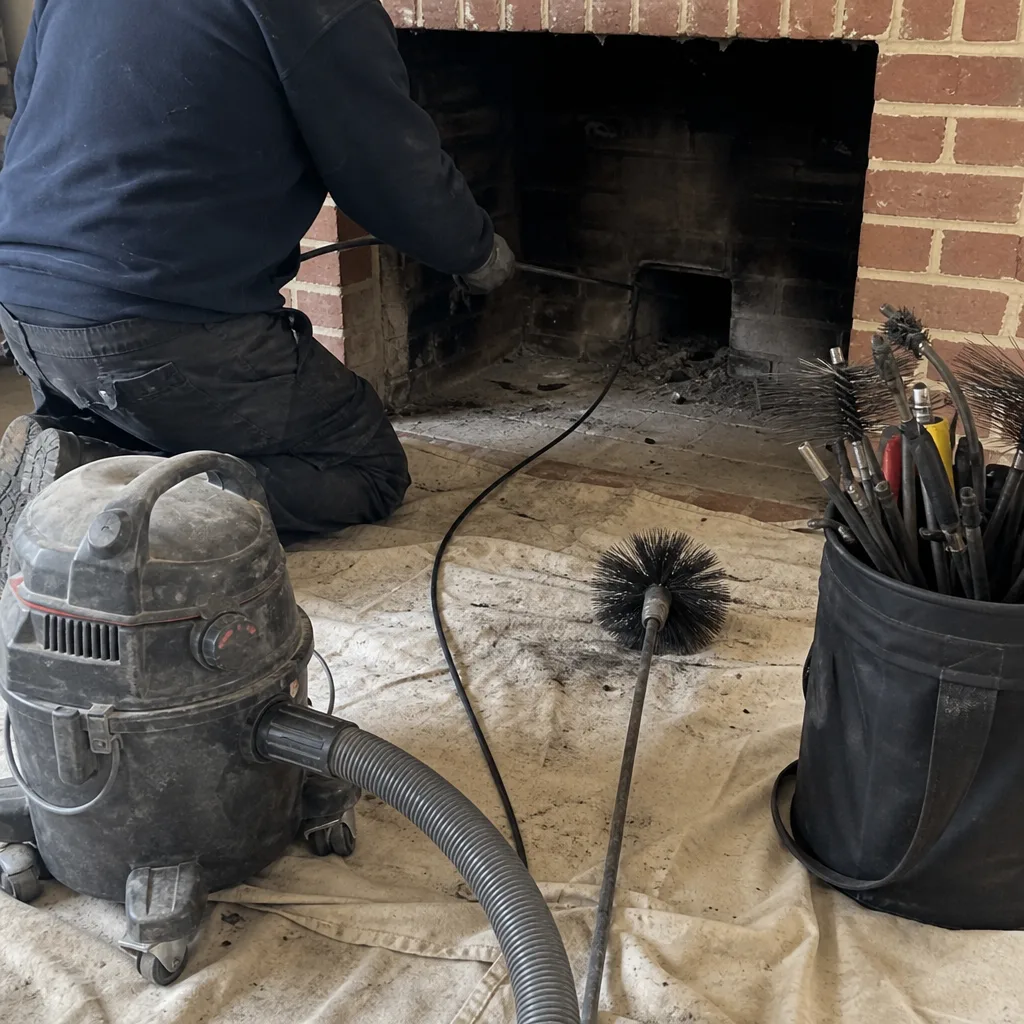 Before
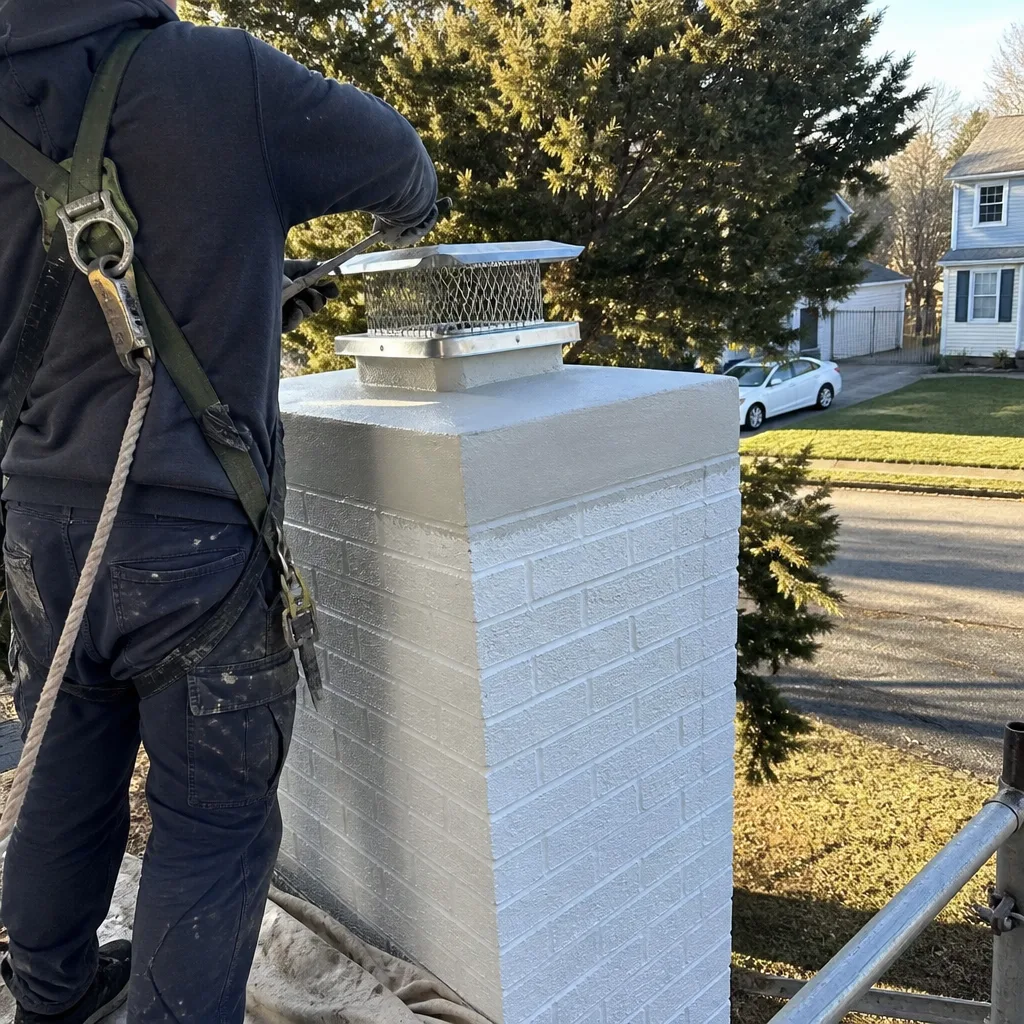 After
AfterThe Complete Guide to Chimney Cleaning in Seaford
A chimney can pass a cursory visual check and still be one fire away from a flue fire. The creosote that causes most chimney fires builds in layers, and in Seaford’s coastal climate, those layers form differently than they do just twenty miles inland. Most homeowners think chimney cleaning means a brush and a vacuum once a year. The reality is a system of interdependent steps - flue condition, liner integrity, cap and crown, draft performance - that only make sense when evaluated together. This guide maps the whole system so you know exactly what thorough chimney cleaning in Seaford involves, what a real inspection looks like, and what separates a documented, photo-verified sweep from a flashlight-and-a-brush visit that leaves dangerous gaps. For more guides & resources on keeping your chimney safe, visit our blog.
Quick Answer
Professional chimney cleaning in Seaford, NY costs between $189 and $349 for a standard sweep with Level 1 inspection, and $449 to $749 when a Level 2 camera inspection is needed for older homes or suspected liner damage. A thorough cleaning takes 45 to 90 minutes, follows a specific sequence of flue evaluation, mechanical brushing, debris removal, and component inspection, and should end with photos you can see and a written verdict on chimney safety. In Seaford’s humid coastal environment, most wood-burning chimneys need cleaning every 12 to 18 months, though heavy use or unseasoned firewood can compress that to 6 to 8 months.
Table of Contents
- Why Seaford’s Coastal Climate Changes Everything
- Level 1, Level 2, and Level 3 Inspections: What You Actually Need
- The Professional Cleaning Sequence (Step by Step)
- How Seaford’s Housing Stock Affects Your Chimney
- What a Real Inspection Report Contains
- Chimney Cleaning Costs in Seaford
- How Often to Clean and When to Schedule
- Maintenance Between Professional Cleanings
Why Seaford’s Coastal Climate Changes Everything
Seaford sits on the South Shore of Long Island, less than two miles from the Atlantic at its closest point. That proximity shapes chimney behavior in ways inland Nassau County homeowners rarely encounter. Salt-laden air, higher average humidity, and more frequent freeze-thaw cycles in winter create conditions that accelerate creosote stratification and masonry deterioration.
Creosote forms in three stages. First-degree creosote is flaky, sooty, and brushes off easily. Second-degree creosote is crunchy, tar-like, and requires mechanical agitation. Third-degree creosote is glossy, hardened, and essentially baked onto flue walls - it significantly reduces flue diameter, restricts draft, and ignites at lower temperatures. In Seaford’s humid environment, we’ve found that second-degree creosote transitions to third-degree faster than NFPA 211’s general guidelines suggest, particularly in chimneys venting older appliances with lower stack temperatures.
The salt air also attacks metal components. Stainless steel chimney caps and chimney repair in Seaford often involve corrosion that wouldn’t appear for years in drier climates. We’ve replaced caps in Seaford’s Harbor Green and Seaford Harbor neighborhoods that showed pitting after just four seasons - caps that would last a decade in Plainview or Syosset.
Freeze-thaw damage compounds the problem. Water vapor from combustion condenses in cooler flue sections during shoulder seasons. When temperatures drop below freezing, that moisture expands, micro-fracturing clay flue tiles and spalling brick faces. Seaford’s winter temperature swings - often 15 to 20 degrees in a single day - create more freeze-thaw cycles than areas with more stable cold.
What this means for cleaning frequency: Seaford homeowners using wood as a primary heat source should lean toward annual inspection and likely cleaning. Those with occasional weekend fires can often stretch to 18 months, but should never exceed 24 months without a professional evaluation. The humidity penalty is real, and it’s local.
Level 1, Level 2, and Level 3 Inspections: What You Actually Need
The National Fire Protection Association defines three inspection levels in NFPA 211, and understanding which applies to your situation prevents both under-inspection and overpayment.
Level 1 Inspection
This is the baseline - a visual examination of readily accessible portions of the chimney exterior, interior, and connecting appliances. The technician checks structural soundness, flue installation and connections, proper clearances, and deposits and obstructions. No specialized equipment required beyond a flashlight, mirror, and basic tools. A Level 1 accompanies routine cleaning when no changes have been made to the system and no performance problems exist.
For most Seaford homeowners with a gas fireplace or occasional wood use, and no known issues, Level 1 is appropriate.
Level 2 Inspection
This is where Hearthstone Chimney Co. does the bulk of our work, because it’s what thorough actually looks like. A Level 2 includes everything in Level 1, plus examination of internal surfaces and flue liners using video scanning equipment - a camera system that travels the full flue length, recording every crack, gap, and creosote deposit in high definition.
Level 2 is required when:
- Any changes are made to the system (new appliance, relining, fuel change)
- A home is sold or transferred
- A malfunction or chimney fire has occurred
- After a weather event (Long Island storm season, we’re looking at you)
- When a Level 1 inspection suggests hidden problems
Our Level 2 inspections end with photos you can see and a plain-English verdict. The camera doesn’t lie, and neither do we. We’ve found cracked flue tiles in Seaford ranches built in 1962 that looked pristine from the firebox. We’ve documented liner gaps in Centerport Road-area colonials where the homeowner had no idea combustion gases were leaking into wall cavities. The camera finds what eyes cannot.
Level 3 Inspection
This is diagnostic demolition - removing components (walls, chimney crowns, interior chimney surfaces) to gain access to concealed areas. Level 3 is reserved for serious hazards that cannot be evaluated otherwise, typically after a chimney fire, structural damage, or when Level 2 evidence suggests hidden danger. It’s not a cleaning accompaniment; it’s an investigation with repair implications.
Seaford-specific note: After Hurricane Sandy and subsequent nor’easters, many South Shore chimneys suffered hidden crown and flashing damage. If your Seaford home weathered those storms and hasn’t had a Level 2 inspection since, the NFPA would classify your next inspection as Level 2 due to suspected weather-related damage.
The Professional Cleaning Sequence (Step by Step)
A proper chimney cleaning is not “brush, vacuum, leave.” It’s a structured sequence where each step validates the next, and skipping any step creates a safety gap, not just a cleanliness gap. Here’s how we approach every sweep in Seaford:
- Pre-cleaning exterior evaluation. We examine the chimney crown, cap, flashing, and visible masonry from the roof or ladder. In Seaford, we’re looking specifically for salt corrosion on caps, spalling brick from freeze-thaw, and crown cracks that admit water. We photograph condition before we touch anything.
- Interior appliance and firebox inspection. We check the damper operation, firebox cracks, hearth clearances, and visible lintel condition. We note any signs of smoke spillage - soot stains above the opening indicate draft problems that cleaning alone won’t fix.
- Flue access and initial camera run (Level 2). Before brushing, we send the camera up to document pre-cleaning condition. This establishes baseline creosote thickness, identifies structural concerns that might change our approach, and provides the “before” record.
- Mechanical brushing with appropriate tools. We select brush type and diameter based on flue shape, size, and creosote stage. For third-degree creosote, we use motorized whips or chains that mechanically abrade hardened deposits without damaging flue tiles. For stainless steel liners, we use poly brushes that won’t score the metal. One size does not fit all.
- Debris removal with HEPA containment. All soot and creosote is vacuumed using industrial HEPA equipment. In Seaford’s tighter lot configurations - particularly in the original Seaford Manor sections - we take extra care with containment because homes sit closer together and windows are often open in shoulder seasons.
- Post-cleaning camera verification. We camera the flue again to confirm complete removal and verify no damage occurred during cleaning. This “after” record goes into your file.
- Component function test. Damper, smoke chamber, and any mechanical components are exercised and lubricated if needed. We verify draft performance with a smoke pencil or draft gauge.
- Written report with photos and recommendations. You receive a documented verdict: what’s clean, what’s sound, what needs attention now, what can wait, and why. No verbal “looks fine” that evaporates when something goes wrong.
This sequence takes 45 to 90 minutes for a standard system. Older Seaford homes with multiple flues, unlined chimneys, or significant creosote buildup can extend to two hours. We don’t rush. A square deal means the job done right, not done fast.
How Seaford’s Housing Stock Affects Your Chimney
Seaford’s development pattern matters for chimney work. The bulk of housing was built between 1950 and 1975, with significant infill through the 1980s. That era’s construction practices create specific chimney profiles we encounter regularly.
1950s-1960s ranches and capes: These often have unlined brick chimneys with clay flue tiles, or in some cases, no flue tiles at all - just parged (smoothed) brick interiors. The parging deteriorates with heat cycling, exposing rough brick that traps creosote and creates draft turbulence. We’ve relined dozens of these with DuraFlex stainless steel liners because the original construction simply cannot meet modern safety standards for wood-burning appliances.
1960s-1970s split-levels and colonials: These frequently have factory-built metal chimneys or clay tile-lined masonry chimneys serving basement-level fireplaces. The offset construction (fireplace below grade, chimney running through interior walls) creates more horizontal runs where creosote accumulates and where access for cleaning is challenging. Our camera system is essential here - we can’t evaluate what we can’t see, and in these chimneys, we can’t see much without it.
Original fuel conversions: Many Seaford homes started with oil heat and converted to gas, or had wood fireplaces converted to gas inserts. The chimney sizing and liner material appropriate for oil combustion (higher temperature, different exhaust chemistry) is often wrong for gas (lower temperature, more moisture, corrosive condensate). We’ve found terra cotta flue tiles degraded by gas condensate in Seaford homes where the conversion was done without liner evaluation. HeatShield resurfacing or full relining is sometimes the only safe remedy.
The liner age factor: Clay flue tiles have a service life of 50 to 75 years under ideal conditions. Seaford’s humidity and salt air are not ideal conditions. A 1965 chimney with original clay tiles is at or past design life. That doesn’t mean imminent failure, but it means inspection frequency should increase and any cracking, spalling, or shifting must be taken seriously. We’ve replaced liners in Seaford’s Washington Avenue corridor where the tiles had simply eroded to half their original thickness from decades of acidic condensation.
Fireplace services in Seaford often begin with understanding what era built your chimney and what that era got wrong by today’s standards.
What a Real Inspection Report Contains
The difference between a professional inspection and a casual once-over isn’t the technician’s eyes - it’s the documentation. Here’s what you should receive, and what “looks fine” actually fails to provide.
A real report contains:
- Date, technician name, and weather conditions (temperature and pressure affect draft measurements)
- Appliance make, model, and installation date if visible
- Flue dimensions, material, and condition at multiple elevations
- Creosote stage, thickness, and location (photos with measurement references)
- Structural findings: cracks, gaps, spalling, mortar loss, with photo documentation
- Clearance measurements to combustibles where accessible
- Damper condition and operation
- Crown, cap, and flashing condition with exterior photos
- Draft performance note (smoke test or gauge reading)
- Verdict categories: satisfactory, monitor, repair recommended, repair required
- Prioritized recommendations with rationale, not just a sales list
What “looks fine” actually tells you: Nothing verifiable. No baseline for comparison next year. No evidence if something fails. No protection in an insurance dispute. We’ve been called to Seaford homes where a previous sweep gave verbal assurance, and our camera found cracked tiles, open mortar joints, and creosote glazing that should have been documented and addressed. The homeowner had no recourse - no report, no photos, no case.
Our reports are governed by the K.E.Y.S. values code: Krafted right, Every time, Your home first, Standing behind it. That means documentation an engineer would accept, explained in language a homeowner can use. Photos you can see, a plain-English verdict.
Chimney Cleaning Costs in Seaford
Pricing varies with chimney type, access difficulty, and inspection level. Below are ranges we see in the Seaford market for professional work using proper equipment and documentation. Prices below our minimums typically indicate uninsured operators, no camera inspection, or rushed work that skips steps in the sequence above.
| Service | Typical Range in Seaford | What Affects Price |
|---|---|---|
| Standard sweep with Level 1 inspection | $189 - $349 | Number of flues, appliance type, accessibility |
| Sweep with Level 2 camera inspection | $449 - $749 | Flue length, camera access difficulty, documentation detail |
| Third-degree creosote removal (mechanical) | $150 - $400 additional | Thickness, flue diameter, time required |
| Gas fireplace service and inspection | $159 - $289 | Insert vs. log set, vented vs. vent-free |
| Chimney cap replacement | $285 - $650 installed | Material (galvanized, stainless, copper), size, custom fabrication |
| Seasonal tune-up (standing offer) | $89 | Limited-time inspection and basic cleaning package |
Standing offers that apply: $50 off any repair over $250. Free second opinion on any written estimate - bring us another company’s proposal and we’ll evaluate it honestly. Permanent 5% senior and veteran discount. No-hassle upfront pricing means the number on the estimate is the number on the invoice.
Call (516) 614-4632 for an exact quote - estimates are free, and we’re happy to discuss your specific chimney over the phone or in person.
How Often to Clean and When to Schedule
The NFPA 211 standard states: “Chimneys, fireplaces, and vents shall be inspected at least once a year for soundness, freedom from deposits, and correct clearances. Cleaning, maintenance, and repairs shall be done if necessary.” Notice: inspection annually, cleaning as needed. The frequency depends on use, fuel, and local conditions.
Seaford-specific guidance:
- Primary wood heat, daily use: Inspect and likely clean every 12 months. The humidity factor here is real - we’ve measured creosote accumulation rates 20-30% faster in coastal Seaford compared to our inland service areas.
- Weekend fires, seasoned hardwood: Inspect annually, clean every 18 to 24 months if camera inspection confirms minimal buildup.
- Occasional ambiance fires: Inspect every 18 to 24 months, clean as indicated.
- Gas fireplaces: Inspect annually for venting integrity, debris obstruction, and valve condition. Cleaning needs are minimal but not zero - ceramic logs degrade, spider webs obstruct vents, and condensate corrosion is real.
- Gas heating appliances: Annual service by an HVAC technician includes venting check; separate chimney inspection every 2 to 3 years unless problems arise.
Timing: Schedule before burning season - late August through October in Seaford. Spring scheduling (March through May) often offers more flexible appointment times and catches winter damage before it weathers through another season. See our Seasonal Chimney Cleaning Care for Seaford: Year-Round Homeowner’s Guide for the full seasonal breakdown. We complete most jobs in a single visit, but if repairs are needed, fall scheduling risks weather delays that push you into cold weather without a functional fireplace.
The urgency is seasonal, not hourly. A chimney that was safe in April is not suddenly dangerous in September - but waiting until the first cold snap means competing with every other homeowner who had the same idea, and potentially burning unsafely while you wait.
Maintenance Between Professional Cleanings
What a homeowner can safely do, and what should be left to trained professionals with proper equipment.
You can and should:
- Visually inspect the firebox for cracks, missing mortar, or rust stains monthly during burning season
- Check that the damper opens fully and seats closed without binding
- Remove ashes when they approach the grate level, using a metal container with tight lid, stored outside on non-combustible surface for at least 72 hours
- Monitor for smoke spillage into the room, unusual odors, or visible soot accumulation on exterior masonry
- Keep the area around the hearth clear of combustibles
- Burn only seasoned hardwood (moisture content below 20%) - unseasoned wood is the single largest preventable cause of accelerated creosote buildup
Leave to professionals:
- Any roof-level work - caps, crowns, flashing. Seaford’s one-and-two-story homes have manageable roof pitches, but chimney work involves ladders, steep surfaces, and working at height with tools. Falls from home maintenance are a leading cause of injury.
- Flue brushing beyond the firebox reach. Proper brushes, rods, and vacuum containment are not homeowner tools, and incomplete cleaning can dislodge creosote that then obstructs the flue.
- Damper repair or replacement. The mechanism is under spring tension and improperly installed dampers create fire hazards.
- Any evaluation of liner condition. You cannot see most of your flue without a camera. Guessing is not a maintenance strategy.
We’re not discouraging homeowner awareness - we encourage it. But awareness should inform when to call, not replace the call. Chimney cleaning and sweep in Seaford by Hearthstone Chimney Co. includes the evaluation that confirms your maintenance is working, or catches what you’ve missed.
Common Mistakes to Avoid
- Hiring based on lowest price alone. In Seaford’s competitive market, we’ve seen quotes $80 below sustainable pricing. Those operators often lack proper insurance, skip camera inspection, or rush jobs to fit four into a day. The cost of a missed crack or incomplete cleaning is a chimney fire, not a refund.
- Assuming gas doesn’t need inspection. Gas burns cleaner but produces corrosive condensate and can leak combustion gases through deteriorated liners. We’ve documented CO readings in Seaford homes where the homeowner assumed gas was “safe” and hadn’t inspected in a decade.
- Burning unseasoned or “green” wood. Wood with moisture above 25% creates steam that cools flue gases, accelerating creosote formation. In Seaford’s humid summers, even properly stored wood can reabsorb moisture. Buy early, store covered with airflow, and test with a moisture meter.
- Ignoring the crown and cap. Water is a chimney’s enemy, and Seaford’s rain and snow entry points are the crown and cap. A $300 cap replacement prevents $3,000 in masonry rebuild. We’ve rebuilt too many Seaford chimneys where a cracked crown was noted, ignored, and progressively destroyed the structure.
- DIY chemical creosote removers as primary treatment. These products can modify creosote chemistry to make it more brushable, but they do not replace mechanical removal. Relying on them without professional follow-up creates false confidence and dangerous buildup.
- Skipping inspection after visible events. Chimney fire? Lightning strike? Earthquake tremor (yes, Long Island gets them)? Major windstorm? Each triggers NFPA’s requirement for Level 2 inspection. The damage you can’t see is often the damage that matters.
- Accepting verbal reports. “Looks fine” is not a standard. Demand photos, demand written documentation, demand a report you can reference and compare year to year. Anything less is not professional service.
When to Call a Professional
Call when inspection is due, when performance changes, or when events demand evaluation. Specifically: visible cracks in firebox or exterior masonry; smoke entering the room during normal operation; strong odors from the fireplace when not in use; white efflorescence or green staining on exterior brick (water penetration indicators); a chimney fire event, even if seemingly minor; before home sale or purchase; after any storm with wind gusts over 60 mph or visible damage to neighboring structures; and if your last professional visit was more than 24 months ago, regardless of use level.
Hearthstone Chimney Co. offers free estimates in Seaford. A live person answers every call, 24 hours a day, 7 days a week - not a voicemail, not a callback queue. Call (516) 614-4632 to schedule, or to discuss whether your situation needs immediate attention or can wait for routine scheduling. We’ll tell you honestly. Done right - and we stand behind it.
Frequently Asked Questions
A standard chimney sweep with Level 1 inspection in Seaford typically runs $189 to $349, while a sweep with Level 2 camera inspection ranges from $449 to $749 depending on flue length and access difficulty. Gas fireplace service and inspection usually falls between $159 and $289. Call (516) 614-4632 for an exact quote - estimates are free.
You need a new liner when the existing one is damaged, improperly sized for your appliance, or absent entirely - not because someone says so without evidence. In Seaford’s older housing stock, we find cracked clay tiles, eroded parging, or unlined brick chimneys regularly, but we document every finding with camera photos you can see. If a sweep recommends relining, ask to see the damage. No photos, no proof, no sale. We use Olympia Chimney and DuraFlex stainless steel liners when replacement is genuinely needed, and we’ll show you exactly why.
Most Seaford chimneys serving wood-burning appliances need professional inspection annually and cleaning every 12 to 18 months, though heavy use or unseasoned wood can require cleaning every 6 to 8 months. Seaford’s coastal humidity accelerates creosote buildup compared to inland locations. Gas fireplaces need annual inspection for venting integrity, with cleaning as indicated. The NFPA 211 standard mandates annual inspection; cleaning frequency follows from what inspection finds.
Skipped cleaning allows creosote to accumulate, progressively restricting flue diameter, reducing draft efficiency, and increasing fire risk. Third-degree creosote ignites at temperatures as low as 451°F - lower than paper - and burns at over 2,000°F, damaging liners and potentially spreading to structural framing. In Seaford’s humid climate, the progression from manageable to dangerous happens faster than national averages suggest. Additionally, obstructions from nests or debris can force carbon monoxide into living spaces. The risk is real, specific, and preventable.
A chimney sweep is the physical removal of deposits and obstructions from the flue and firebox. A chimney inspection is the systematic evaluation of the entire system for safety, soundness, and code compliance. They often occur together - we inspect before, during, and after cleaning - but they are distinct services. A sweep without inspection is incomplete; an inspection without cleaning, when deposits exist, leaves the hazard in place. Our Hearthstone Chimney Co. home page details how we integrate both.
You can remove superficial ash and debris from the firebox, but professional flue cleaning requires equipment, training, and camera verification that homeowners typically don’t have. More importantly, you cannot evaluate liner condition, clearance compliance, or structural soundness without the tools and experience to interpret what you see. In our 42 years, we’ve found that DIY cleaning often dislodges creosote that then falls and obstructs the flue, creating a more dangerous situation than before. For the actual flue work, call a trained professional.
The Bottom Line
Chimney cleaning in Seaford is not a single task but a system: climate-aware frequency, structured inspection levels, a sequenced cleaning process, photo-documented verification, and honest reporting on what needs attention now versus what can wait. Seaford’s coastal humidity, salt air, and aging housing stock create conditions that reward thoroughness and punish shortcuts. The master sweep’s approach - steady, documented, certain - is the only one that earns the trust of homeowners who’ve been burned before and intend to stay in their homes for decades to come. Get it done right, get it in writing, and get back to the fire with confidence.
Written by Russell Haines, Owner at Hearthstone Chimney Co., serving Seaford since 2014.