
Last updated September 10, 2026
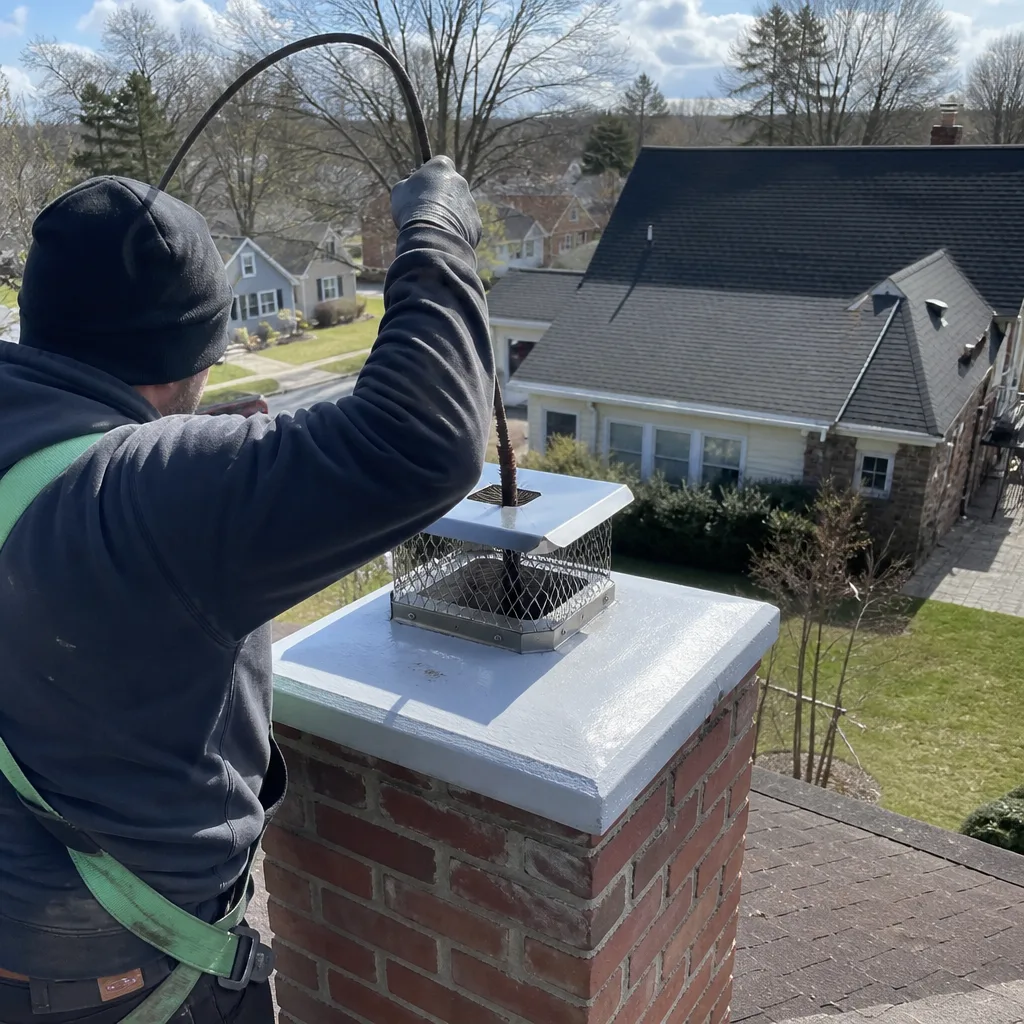
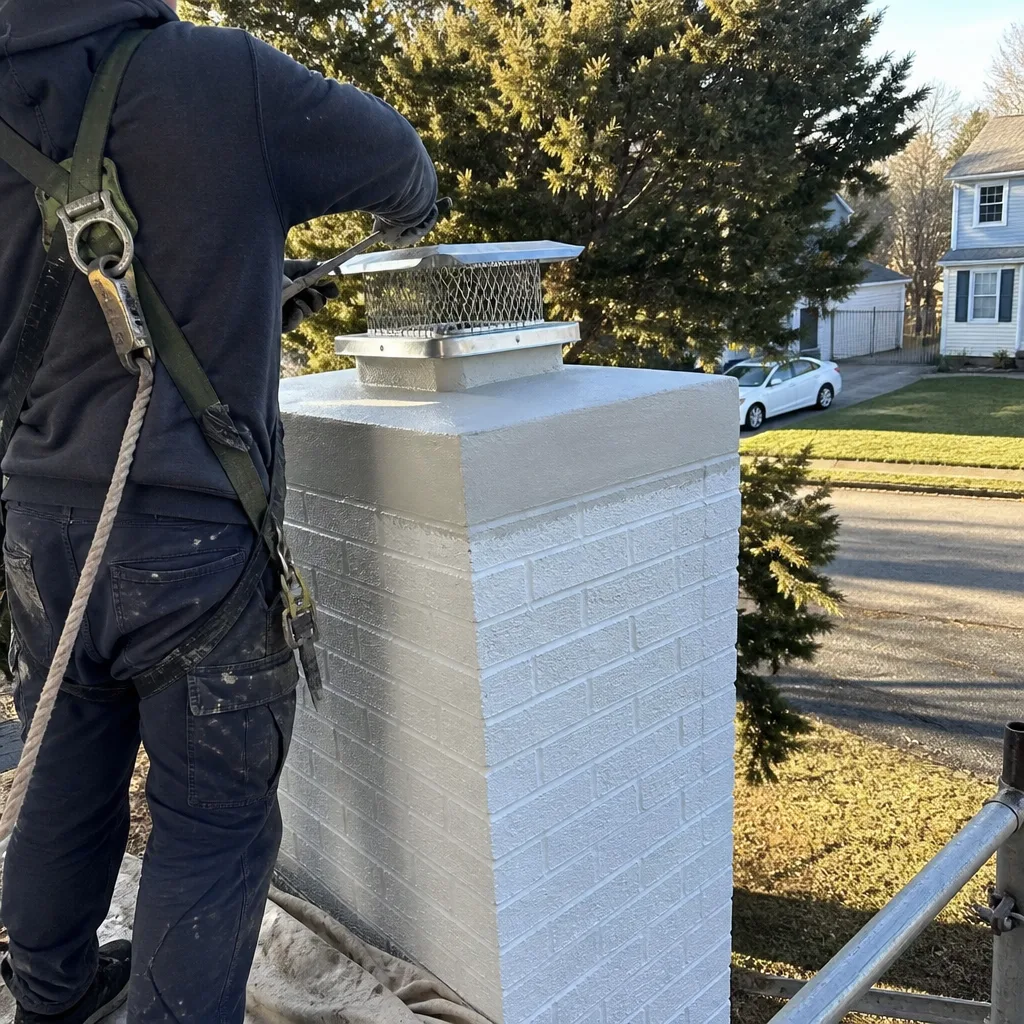
Level 1 sweep and inspection to the NFPA 211 annual standard - flue, crown, cap, and flashing checked and photographed
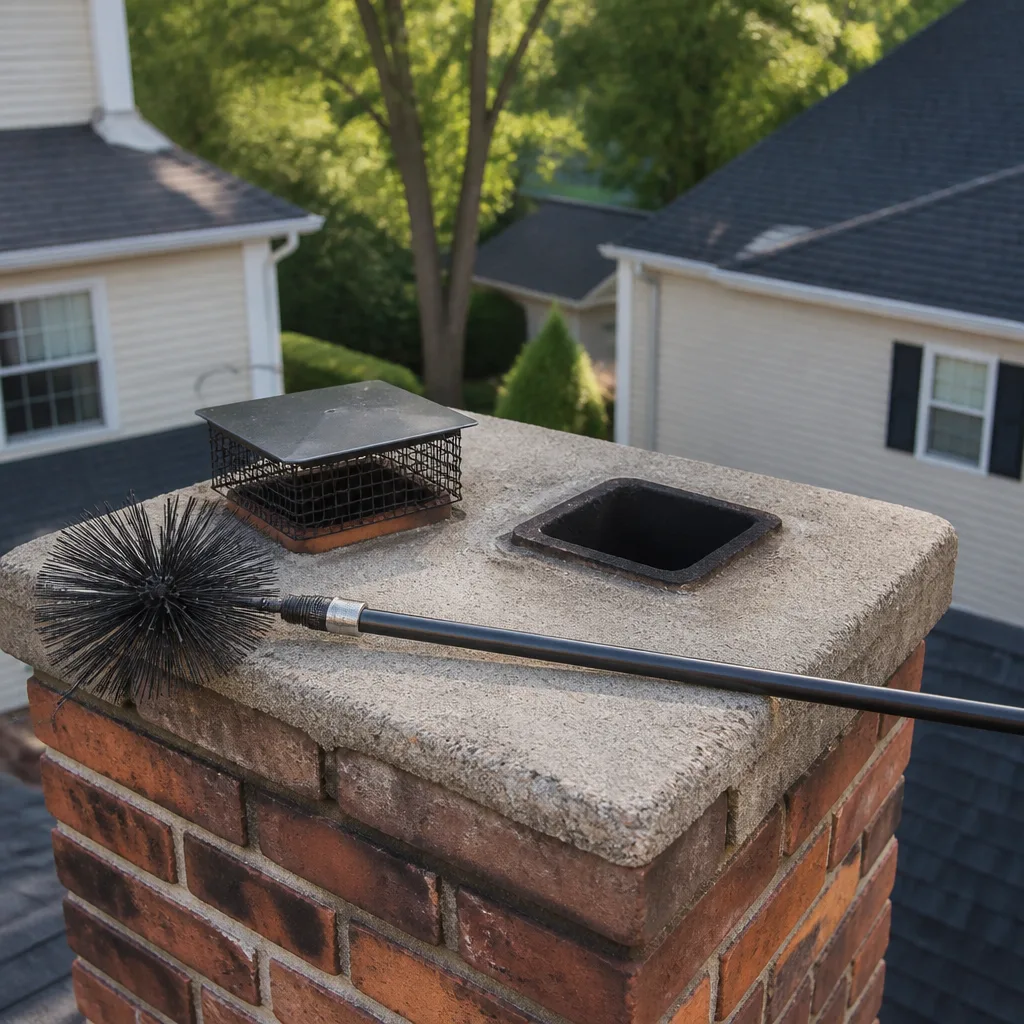
Chimney sweep logs do not sweep chimneys. They loosen some creosote - which then falls where a brush and vacuum still have to collect it.
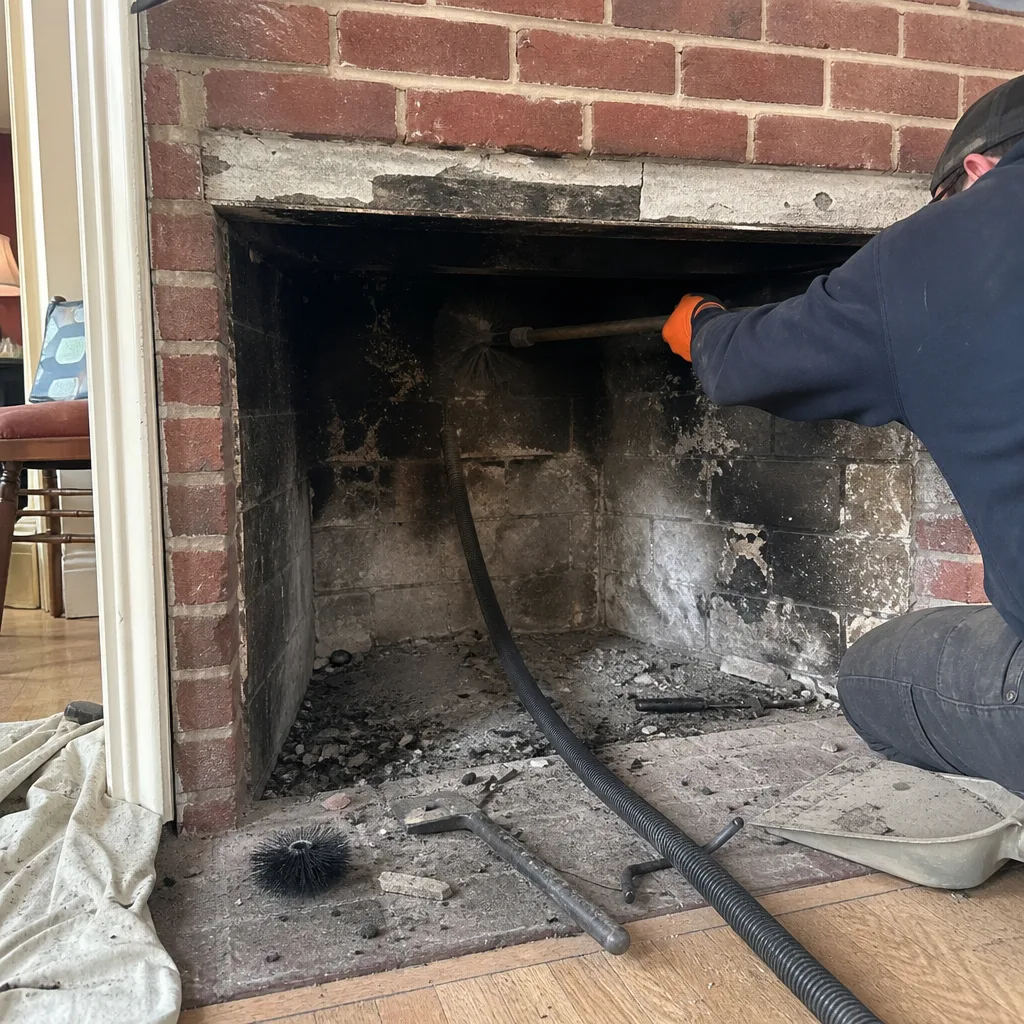 Before
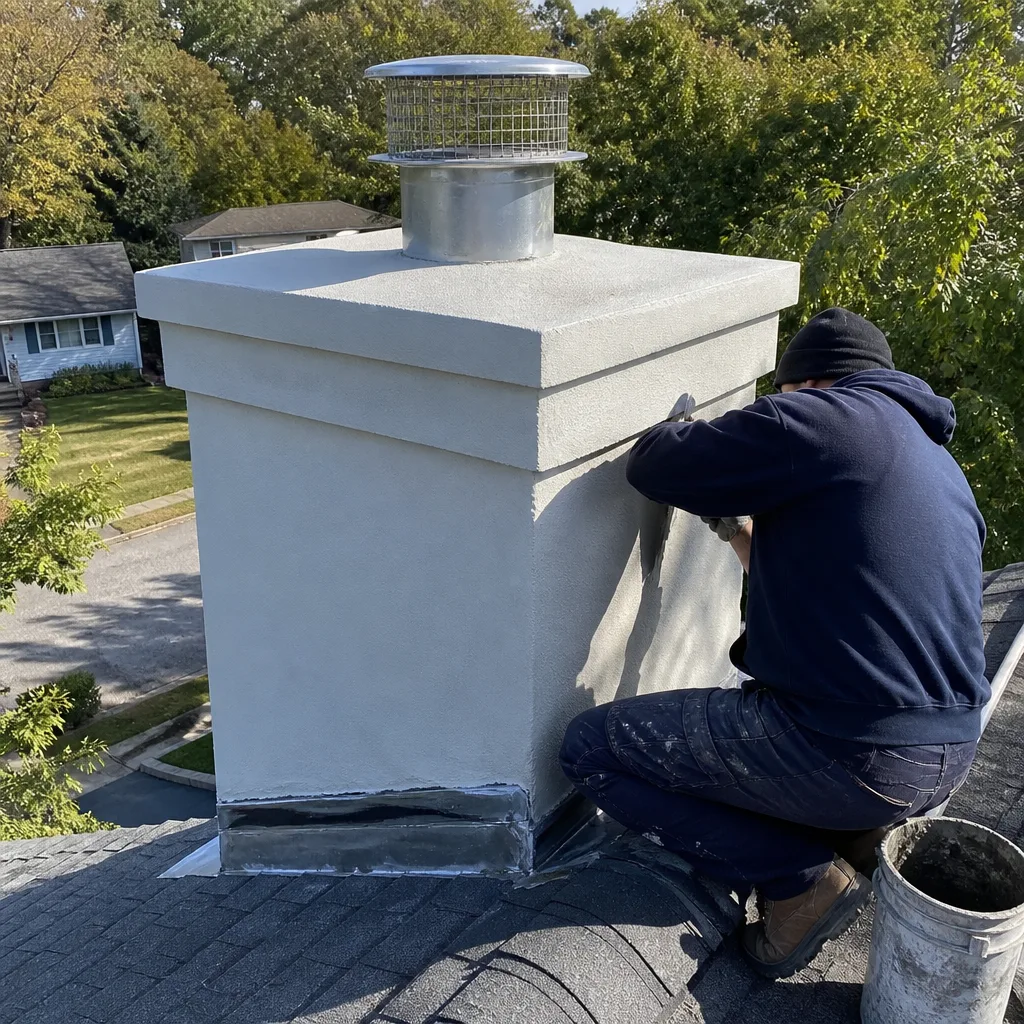 After
After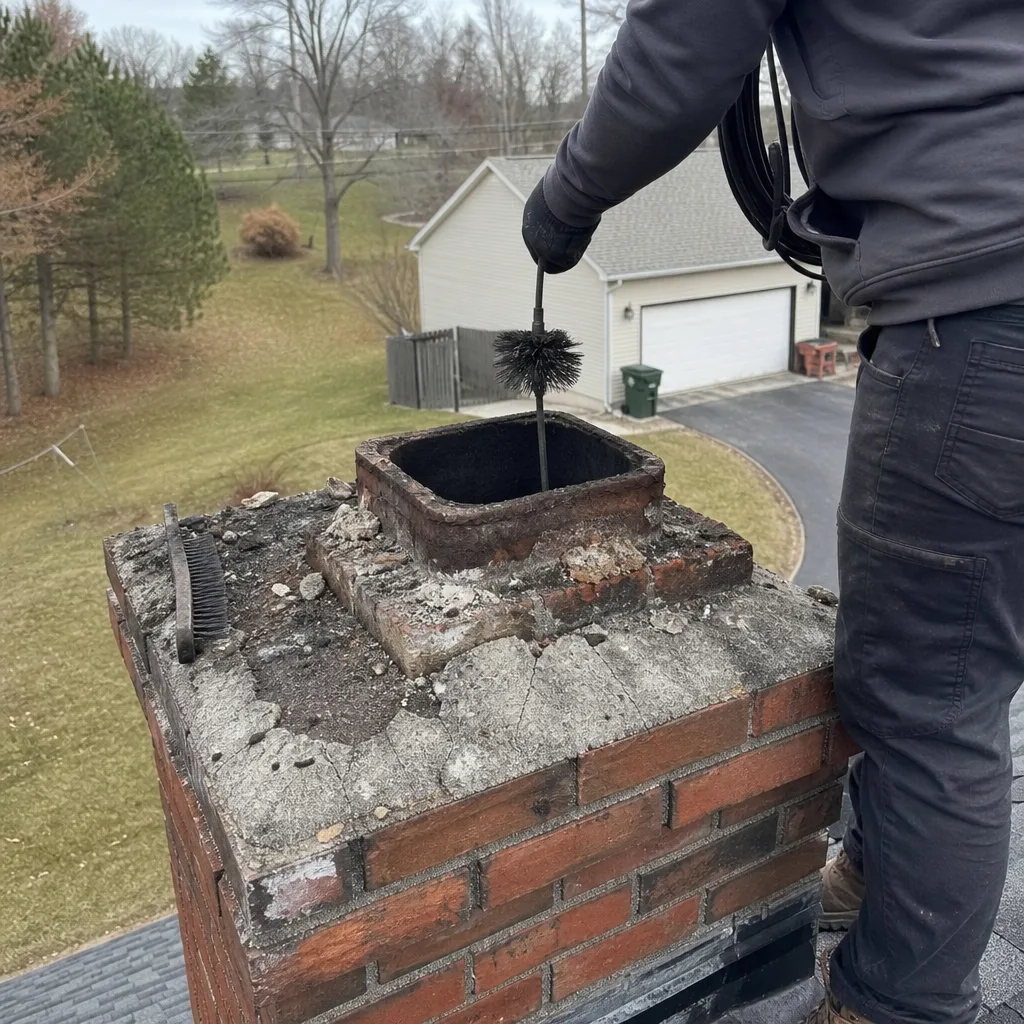 Before
 After
After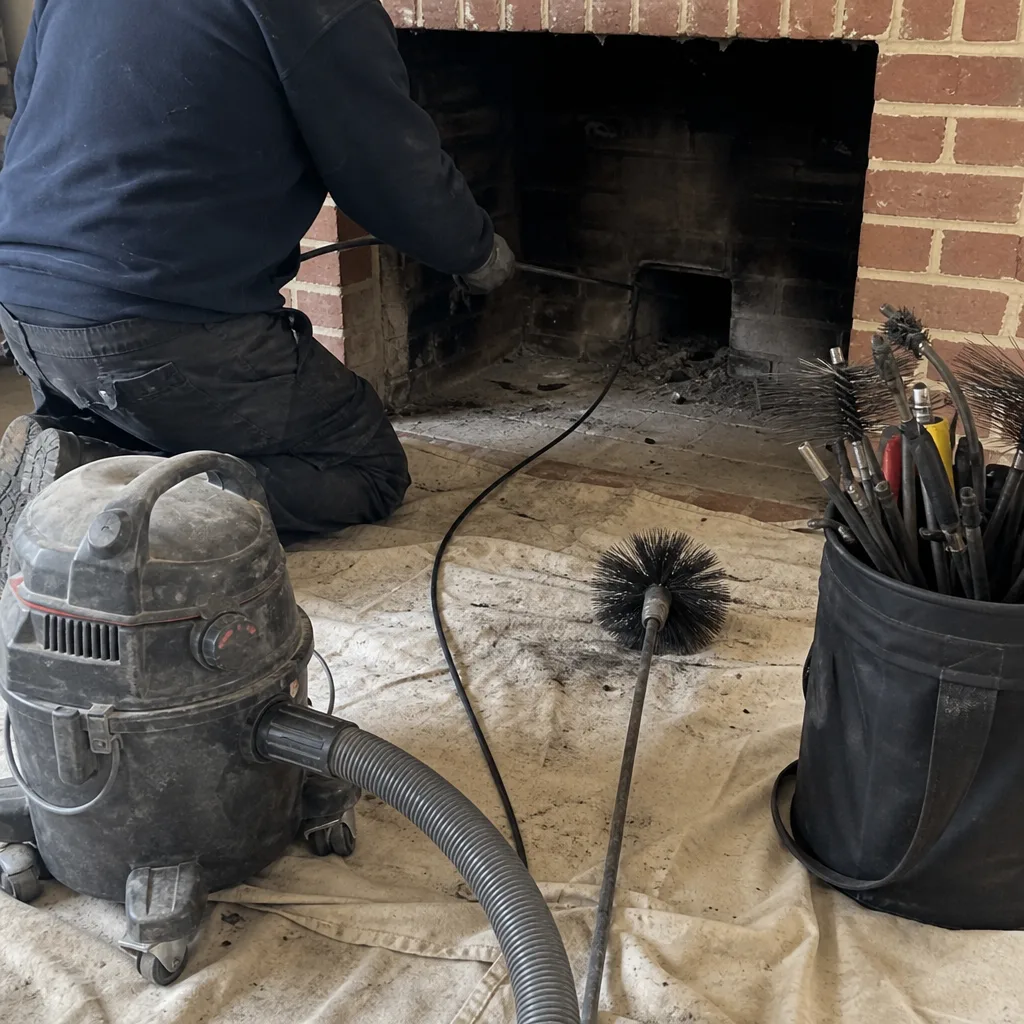 Before
 After
AfterSeasonal Chimney Cleaning Care for Seaford: Year-Round Homeowner’s Guide
The most expensive chimney repairs Seaford contractors see every spring aren’t caused by hard winters - they’re caused by homeowners who sealed the damper in November without first checking what the summer’s humidity had done to the flue liner. In our 42 years of serving Long Island’s South Shore, we’ve learned that Seaford’s chimney calendar doesn’t follow the four seasons on a wall. It’s driven by when salt air, freeze-thaw cycles, and the weight of a full burn season converge on the same masonry. The homeowners who understand that rhythm spend less money over time than those who clean once in October and call it done. This guide maps what your chimney actually needs, month by month, in this specific climate.
Quick Answer
Seaford chimneys need active care in four distinct phases: post-burn inspection and moisture recovery in spring, deep summer resting with humidity protection, pre-season sweeping and camera inspection in early fall, and mid-burn monitoring for creosote buildup from October through March. Skipping any phase, especially the spring and summer work that competitors rarely mention, leads to liner damage and masonry repairs that cost five to ten times more than preventive care. Our Chimney Cleaning & Sweep Maintenance Checklist for Seaford Homeowners breaks down exactly what each phase requires.
Table of Contents
- Why Seaford’s Climate Rewrites the Standard Chimney Calendar
- March-April: The Post-Burn Recovery Phase
- May-June: Masonry Drying and Early Repairs
- July-August: The Hidden Danger of Salt Air and Humidity
- September-October: Pre-Season Preparation That Actually Matters
- November-February: Safe Burning and Mid-Season Checks
- Your Month-by-Month Owner’s Timeline: DIY vs. Professional Tasks
- How to Correctly ‘Rest’ a Chimney for Summer
Why Seaford’s Climate Rewrites the Standard Chimney Calendar
Most chimney advice comes from inland climates, and it shows. Seaford sits less than two miles from the South Shore of Long Island, and that proximity changes everything about how a chimney ages.
Salt-laden air penetrates masonry year-round. During summer, when relative humidity regularly climbs above 75%, that salt attracts and holds moisture inside brick and mortar joints. Come December, when you light the first serious fire, that trapped moisture flash-expands. The freeze-thaw cycle in Seaford isn’t just about January cold snaps. It’s about moisture that entered the system in August and got locked in by September’s first cool nights.
We’ve inspected chimneys in Seaford’s Harbor Green neighborhood where the flue liner showed no visible damage in October but had developed hairline fractures by the following April. The homeowner had skipped the summer cap inspection. Rain had entered through a slightly displaced cap, combined with salt air residue, and spent three months working on the terracotta. A $180 cap adjustment in July became a $2,400 liner replacement the next spring.
The second factor is wind exposure. Seaford’s flat coastal plain means chimneys catch sustained winds that inland Nassau County towns don’t experience. That constant pressure stresses crown mortar and flashing seals. We’ve found more wind-lifted flashing in Seaford’s waterfront-adjacent streets than in Massapequa or Wantagh, where tree cover breaks the gusts.
Third, and less obvious: Seaford’s housing stock skews toward homes built in the 1950s through 1970s, with original chimneys now fifty to seventy years old. These chimneys were built to codes that didn’t anticipate today’s airtight homes, high-efficiency appliances, or the thermal stress of modern heating cycles. A 1962 chimney in Seaford Park isn’t failing because it was built badly. It’s failing because the usage pattern changed and nobody updated the system.
What this means practically: the standard “sweep in October” advice is insufficient here. Seaford chimneys need attention in at least four distinct windows, with different work in each.
March-April: The Post-Burn Recovery Phase
By late March, most Seaford homeowners have stopped regular burning but haven’t thought about the chimney since November. This is the most overlooked maintenance window on the calendar, and it’s where we find the damage that will haunt owners the following winter.
The post-burn phase serves three purposes: assessing what the winter did, removing acidic combustion residue before it etches metal and masonry, and beginning the drying process before humidity season arrives.
What the winter did to your system:
A full burn season deposits creosote in stages. The early-season fires (October-November) typically produce the heaviest, most flammable deposits because homeowners are burning improperly seasoned wood and running smoldering loads while learning their stove or insert. Mid-winter fires burn hotter and cleaner. Late-season fires (February-March) often return to smoldering patterns as owners let fires die overnight rather than banking them properly.
This layered creosote is chemically active. The acidic compounds in early-season deposits have been reacting with flue liner surfaces for four to five months. Left in place through summer, that acid accelerates deterioration, especially in clay flue tiles common in Seaford’s mid-century housing stock.
The professional task for March-April:
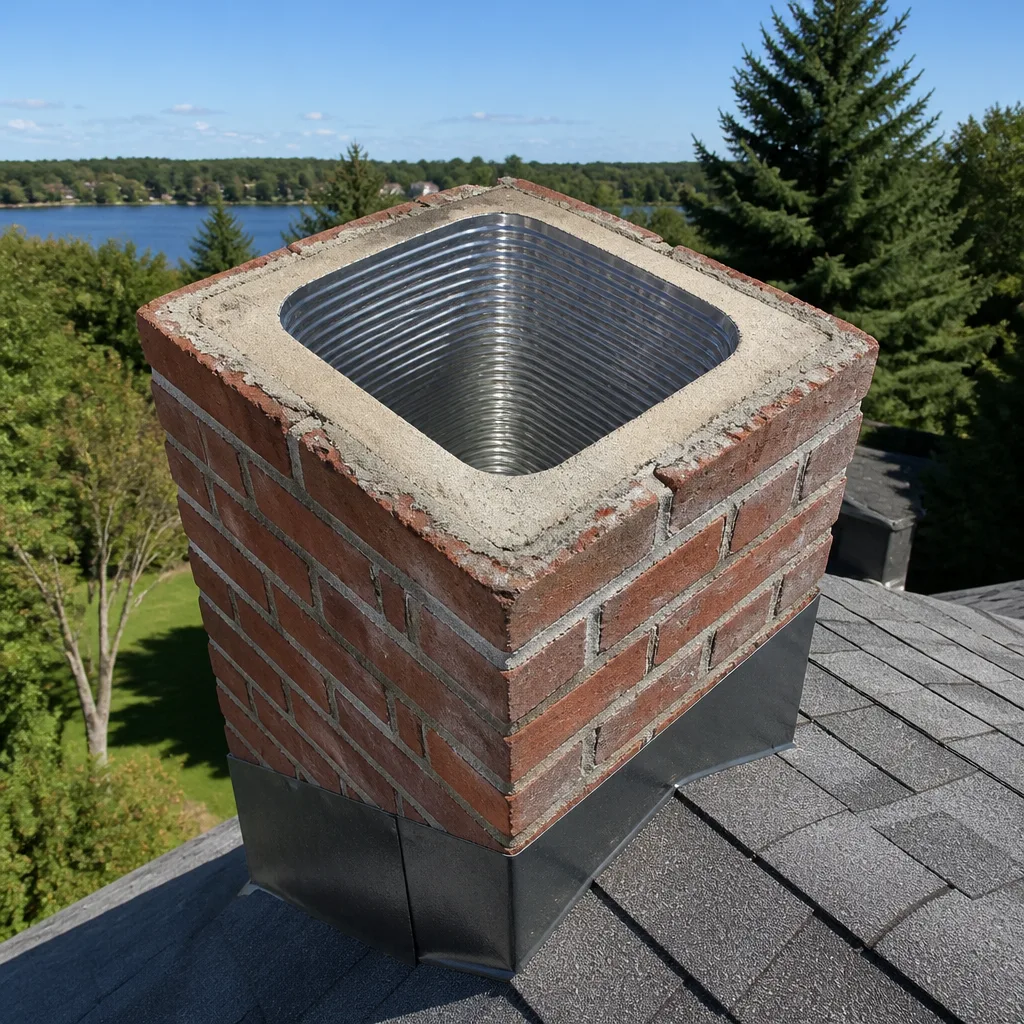
A Level 2 camera inspection with full sweeping. Not a quick brush-out. We run a camera the full length of the flue, document every surface, and provide photos you can see with a plain-English verdict. In Seaford’s climate, we specifically look for:
- Spalling or flaking on the flue liner’s interior surface, indicating freeze-thaw damage from moisture that entered before winter
- White efflorescence deposits, signaling water penetration and salt migration
- Crown cracks that opened during winter cold and will admit summer rain
- Damper corrosion or misalignment from months of heat cycling
- Firebox brick deterioration at the rear wall, where reflected heat concentrates
The owner task for March-April:
- Open the damper fully and leave it open for two weeks to begin passive drying of the flue system
- Remove all ash from the firebox - don’t leave it as “insulation” for next season; old ash holds moisture and acid
- Inspect the firebox with a flashlight for visible brick cracks or mortar loss
- Check the hearth extension for staining that indicates spillage or drafting problems
- Photograph anything suspicious for comparison next season
Spring sweeping in Seaford typically costs $250-$350 for a standard flue, with Level 2 camera inspection adding $150-$200. This combined service runs $400-$550 total. Compared to a $3,000-$7,000 liner replacement, the math speaks plainly.
May-June: Masonry Drying and Early Repairs
May is when Seaford’s chimney calendar diverges most sharply from generic advice. Inland guides often say “schedule repairs in summer” without specifying when. For Seaford, early summer - May through mid-June - is the repair window. Wait until July, and you’re working against humidity that compromises mortar curing and sealant adhesion.
The critical insight: masonry repairs need dry substrate and moderate temperatures to cure properly. Seaford’s June humidity average is 72%, but May averages 65% and offers more dry days. Crown repairs, tuckpointing, and waterproofing treatments applied in May have until September to fully cure before the next moisture assault.
Repairs to complete in this window:
- Crown crack sealing with flexible, UV-stable compounds - we use professional-grade materials from HeatShield and Gelco that maintain elasticity through temperature swings
- Tuckpointing of deteriorated mortar joints, especially on the windward side of the chimney
- Flashing removal and reinstallation where winter wind lifted the seal
- Waterproofing treatment of exposed brick with vapor-permeable sealers that allow moisture escape while blocking liquid penetration
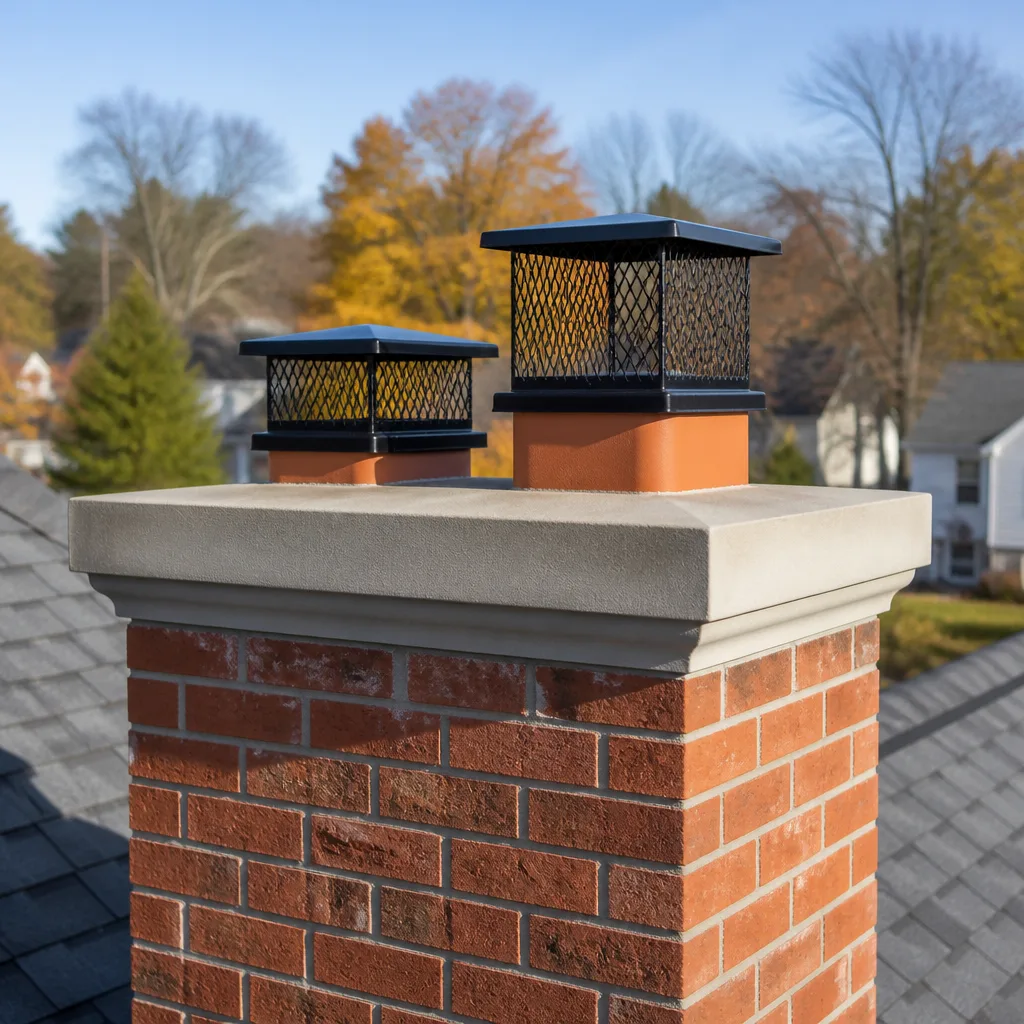
- Cap replacement or adjustment - critical in Seaford, where caps are the first defense against salt air and wind-driven rain
We’ve learned to schedule Seaford crown work before Memorial Day. After that, afternoon humidity spikes and pop-up thunderstorms create conditions where sealants skin over before bonding to the substrate. A crown repair done in humid conditions fails within eighteen months. The same repair done in dry May conditions lasts eight to twelve years.
Homeowners sometimes ask why we don’t just “wait for a dry spell” in July or August. In Seaford, those dry spells are brief and unpredictable. A repair scheduled for a Tuesday dry spell can hit 85% humidity by Thursday. We don’t guess with masonry. We work in the reliable window.
The cost range for May-June repairs in Seaford: crown sealing runs $350-$650; tuckpointing $500-$1,200 depending on area; full cap replacement with stainless steel $450-$850; waterproofing treatment $300-$500. These are 2024-2025 local market rates. Prices from unlicensed operators may be lower. We’ve been called to fix their work.
July-August: The Hidden Danger of Salt Air and Humidity
July and August are when Seaford chimneys suffer invisible damage. The flue sits unused, the damper is closed, and the homeowner assumes the system is resting. In reality, this is the most destructive season for liner and metal components.
Salt air doesn’t stop at the shoreline. Seaford’s prevailing southwest winds carry marine aerosol inland, and it deposits on every exterior surface. On chimneys, salt accumulates in the cap, crown crevices, and any gap in the flashing. When August humidity climbs above 80%, that salt deliquesces - it absorbs atmospheric moisture and forms a concentrated brine. That brine wicks into masonry pores and begins chemical attack on mortar compounds.
Meanwhile, inside the flue, closed dampers trap humid air. A metal damper in a sealed, humid flue corrodes faster than one in active use, where draft movement provides some drying. We’ve removed dampers in Seaford homes where the corrosion was advanced enough to compromise the seal, yet the homeowner never knew because the fireplace wasn’t in use.
The specific Seaford risk: summer liner damage that shows up in November
Terracotta flue liners are porous. In humid conditions, they absorb moisture. If the chimney cap is damaged or missing - common after winter wind exposure - that moisture enters directly. The liner swells slightly. When November’s first hard freeze hits, the moisture flash-freezes and expands. The liner cracks. The homeowner lights the first fire, draft pulls smoke through the crack, and creosote deposits in the chimney cavity between liner and brick. This is how hidden chimney fires start.
We’ve documented this exact sequence in Seaford homes on Washington Avenue and in the Seaford Harbor area. The homeowners had no warning. Their October “all clear” from a visual inspection missed the cap displacement that occurred in a July thunderstorm.
What to do in July-August:
- Visually inspect the chimney cap from ground level with binoculars - look for tilting, gaps, or missing mesh
- Check the crown for new cracks after summer heat expansion
- Verify that the damper closes fully and opens fully; if it sticks, schedule adjustment before fall rush
- Run a box fan into the firebox for one hour weekly if the flue has been damp - this breaks humidity stagnation
- Schedule any needed cap or crown work before September 1, when contractor availability tightens
Do not attempt to climb the roof for close inspection. Seaford’s single-story homes with shallow-pitch roofs still present fall hazards, and summer shingles are hot and soft. A trained eye from ground level, or a professional with proper ladder and fall protection, is the correct approach.
September-October: Pre-Season Preparation That Actually Matters
September is when most Seaford homeowners remember their chimney exists. By then, the best appointment slots are gone and pricing reflects demand. But there’s a deeper problem with the “October sweep” habit: it skips the summer damage assessment and tries to compress a full evaluation into a single pre-burn visit.
Here’s what proper pre-season preparation looks like in Seaford, and why it differs from inland practice.
Timing: early September, not October
Seaford’s first sustained heating nights often arrive in late September, when overnight lows dip to the upper 40s. Homeowners with inserts or stoves light test fires then, not in November. A sweep scheduled for October 15th is too late for systems that started cycling in late September. The early fires are often the dirtiest - smoldering, poorly drafted, heavy with creosote - because the chimney hasn’t established stable draft patterns yet.
The inspection focus: what summer changed
Our September Level 2 inspections in Seaford specifically hunt for summer damage:
- Liner spalling from humidity absorption and early freeze
- Metal component corrosion accelerated by salt air exposure
- Crown sealant failure from UV degradation
- Cap mesh clogging with leaf debris and insect nests - common in Seaford’s mature-tree neighborhoods
- Flashing separation from thermal cycling between hot August days and cool September nights
The burning season setup:
After sweeping and inspection, we verify draft performance with a smoke test. Seaford’s flat terrain and house-dense neighborhoods create unique draft conditions. Homes on the south side of streets, where winter winds hit directly, often need different damper settings than identical homes on the north side. We document these specifics for the homeowner.
We also review fuel preparation. Seaford homeowners burning wood should have split, stacked, and covered their firewood by Labor Day. Wood with more than 20% moisture content produces dangerous glazed creosote. We’ve tested “seasoned” wood from Seaford homeowners in October and found 35% moisture - wood that was cut in spring and left in a pile, not a stack with airflow.
The $89 Seasonal Tune-Up we offer covers sweeping, basic inspection, and draft verification. For systems with no summer damage, this is sufficient. For systems showing summer wear, we provide documented photos and a plain-English verdict on what needs attention before serious burning begins.
November-February: Safe Burning and Mid-Season Checks
The burn season in Seaford runs roughly from the first sustained cold in November through March’s final cold snaps. This section covers what responsible burning looks like, and when to interrupt the season for maintenance.
The shoulder season problem: October and March
The most dangerous burning conditions occur when outdoor temperatures are mild - 40s to 50s - and homeowners light “take the chill off” fires. These small, smoldering loads burn incompletely, producing the heaviest creosote deposits of the entire year. The flue stays cool, so draft is weak, so smoke lingers, so more creosote condenses on liner walls.
In Seaford, we see more chimney fires in late October and early March than in January’s deep cold, when fires burn hot and draft is strong. The pattern is consistent across our 42-year record.
Safe burning practices:
- Build fires that burn hot and complete - a small, hot fire produces less creosote than a large, smoldering one
- Never burn overnight with the air intake closed to “keep coals” - this is the single worst practice for creosote accumulation
- Use a stove thermometer if you have an insert; surface temperatures below 300°F indicate smoldering conditions
- Keep the glass clean on inserts - heavy black buildup signals improper burning
- Remove ash when it approaches the grate level, not when it’s “full” - ash buildup restricts airflow and causes smoldering
When to call during burn season:
Don’t wait for the season’s end if you observe:
- Smoke spillage into the room at startup - indicates draft obstruction or liner damage
- Visible creosote flakes in the firebox - means heavy buildup above
- A “different” smell from the fireplace - often signals liner breach or animal intrusion
- Water dripping in the firebox during a rain - crown or flashing failure that will worsen with freeze-thaw
- Any change in performance after a windstorm - cap displacement or liner crack
We answer calls 24 hours a day, 7 days a week, with a live person, not voicemail. Some mid-season issues can be assessed and scheduled safely. Others require immediate attention. We’ll tell you plainly which is which.
Your Month-by-Month Owner’s Timeline: DIY vs. Professional Tasks
This table separates what you can safely handle from what requires a sweep’s training and equipment. The distinction matters for safety and for warranty coverage - manufacturer warranties on liners and inserts typically require professional installation and documented maintenance.
| Month | Owner Task | Professional Task |
|---|---|---|
| January | Monitor burn quality; remove ash weekly | Mid-season inspection if performance changes |
| February | Plan spring maintenance; photograph any concerns | None unless problems arise |
| March | Final ash removal; open damper for drying | Level 2 camera inspection and sweeping |
| April | Visual firebox check; schedule May repairs | Crown assessment; repair scheduling |
| May | Monitor exterior after storms | Crown sealing; tuckpointing; waterproofing |
| June | Verify damper operation monthly | Cap adjustment; flashing repair |
| July | Ground-level cap inspection with binoculars | Professional cap evaluation if ground inspection shows concern |
| August | Run fan for flue drying; schedule September sweep | Pre-booking for early September slot |
| September | Verify firewood moisture; test damper | Seasonal sweeping; Level 2 inspection; draft test |
| October | Begin burning only after professional clearance | Repair any summer damage found in September |
| November | Monitor first fires for proper draft | None if September work was complete |
| December | Maintain hot, complete burns; remove ash | Emergency only |
The pattern is clear: professional work concentrates in March-April and September, with repair windows in May-June and August. For year-round guidance, explore more guides & resources on Seaford chimney care. Owner attention is distributed year-round but requires only minutes monthly. The homeowners who follow this calendar avoid the emergency calls that dominate our January and February schedule.
How to Correctly ‘Rest’ a Chimney for Summer
“Resting” a chimney doesn’t mean ignoring it. In Seaford’s climate, improper summer rest causes more damage than moderate winter use. Here’s the correct procedure, developed from decades of observing what happens when owners get this wrong.
Step 1: Complete ash removal
Remove all ash, not just “most of it.” Ash holds moisture and acidic compounds. In humid summer conditions, it becomes a corrosive paste against metal components and a wick that draws moisture into masonry. Use a metal container with tight lid, store outside on concrete (never on wood decks), and dispose with household trash after one week of cooling.
Step 2: Damper position - the critical detail
This is where most Seaford homeowners err. The damper should be fully open for summer, not closed. A closed damper traps humid air in the flue and accelerates corrosion. An open damper allows passive airflow that moderates humidity. The misconception that closing the damper “keeps critters out” is backwards - a closed damper doesn’t seal tightly enough to exclude animals, and it creates the humid environment they prefer. Animal exclusion is the cap’s job, not the damper’s.
Step 3: Cap and crown verification
Before leaving the system for summer, confirm the cap is secure and mesh is intact. In Seaford, we recommend stainless steel caps with 5/8-inch mesh from Olympia Chimney or Famco - brands that withstand salt air corrosion. Galvanized caps in this climate rust through in three to five years. We’ve replaced caps on Seaford homes that were installed by others just two seasons prior.
Step 4: Moisture barrier for unused fireplaces
For fireplaces that won’t see summer use, a tight-fitting glass door set or a sealed decorative cover prevents conditioned indoor air from entering the flue system. This matters in Seaford’s air-conditioned homes, where cool indoor air meeting humid flue air creates condensation. The goal is to separate the flue’s microclimate from the house’s.
Step 5: Scheduled July inspection
Even with perfect rest protocol, schedule a brief professional look in July. We offer this as a no-charge visual with any other service call, or as a standalone $95 check. It takes twenty minutes and catches the cap displacement, crown crack, or flashing issue that develops between May and September.
Common Mistakes to Avoid
- Cleaning only in October and assuming that’s enough. In Seaford, this misses summer moisture damage that becomes winter liner failure. The October sweep is the finish, not the whole program.
- Closing the damper for summer to “keep things out.” This traps humidity and accelerates metal corrosion. Open the damper, maintain the cap, and let air move.
- Using “seasoned” wood that was split last month. Properly dried firewood needs twelve months minimum in Seaford’s humid climate. Test with a moisture meter; above 20% is too wet.
- Ignoring the crown because “it’s just the top.” Crown failure admits water that destroys everything below. In Seaford’s wind and salt exposure, crown maintenance is not optional.
- DIY creosote removal with chemical logs or brushes. Chemical logs don’t remove deposits, they just make them flaky and harder to properly sweep. Brushes without proper rods and technique can damage liners or get stuck.
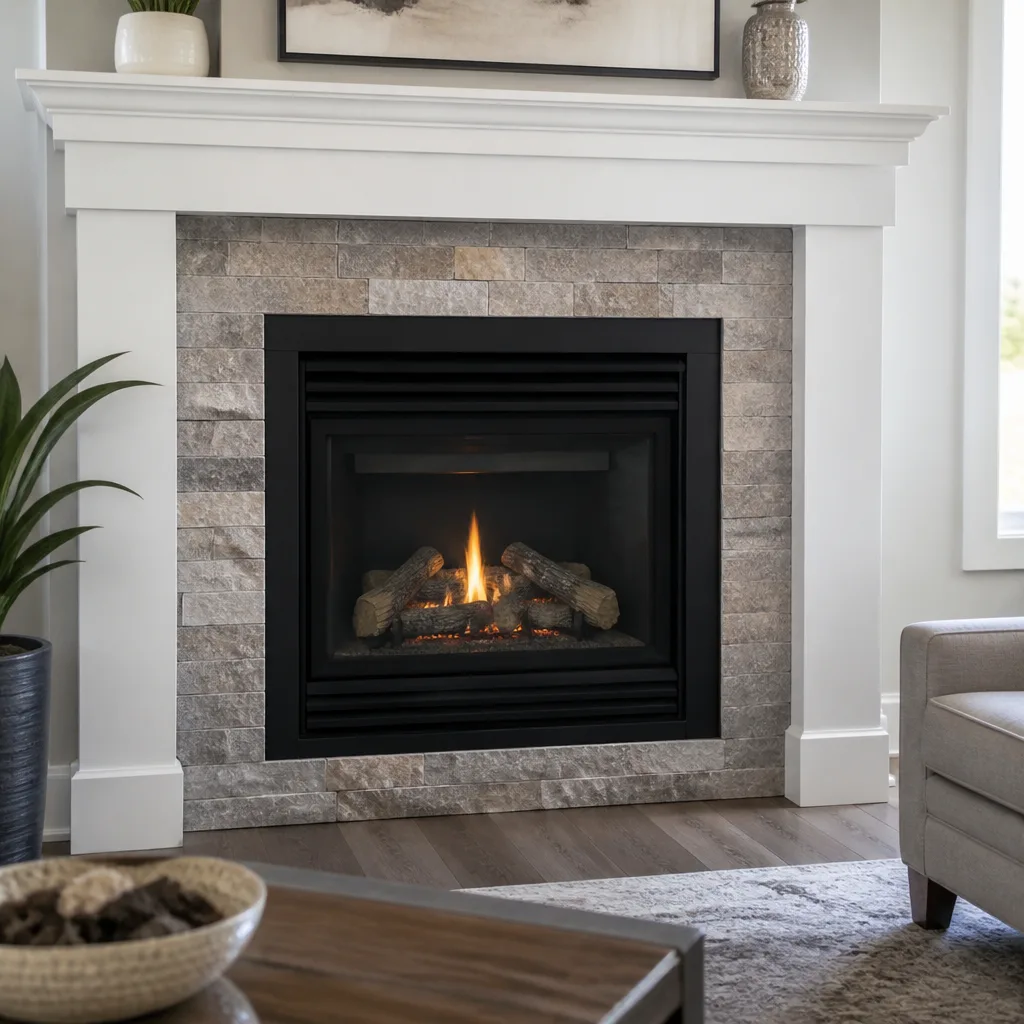
- Assuming no burning means no maintenance. Gas fireplace inserts and decorative logs still produce condensation and require annual inspection. We’ve found deteriorated gas log sets that were “never used” but had been cycling pilot light condensation for years.
- Waiting for a problem to call. By the time smoke spills into the room or water drips on the hearth, damage is established. Preventive inspection costs a fraction of reactive repair.
When to Call a Professional
Call a sweep when you cannot verify safe condition yourself, when the task requires roof access, or when the system has changed performance. Specifically: before the first fire of the season, after any chimney fire or suspected flue overheating, when buying or selling a home, after major weather events with high winds or seismic activity, and whenever you observe smoke spillage, unusual odors, or visible deterioration.
In Seaford, chimney cleaning and sweeping requires equipment and training that homeowners shouldn’t attempt. The flue is a confined space with toxic residue, and roof work presents genuine fall hazard. We’ve responded to calls where a homeowner’s DIY brush attempt dislodged a damaged liner section that then blocked the flue - a dangerous outcome from a well-intentioned task.
Hearthstone Chimney Co. offers free estimates in Seaford. Call (516) 614-4632. We’ll provide a plain-English assessment, photos you can see, and upfront pricing with no surprises on the bill. Our 90-Day Done Right Promise means if it’s not right, we make it right - in writing, no arguing.
Frequently Asked Questions
A standard chimney sweep in Seaford typically runs $250-$350 for a single flue, with Level 2 camera inspection adding $150-$200. Combined sweep and inspection packages range $400-$550. The $89 Seasonal Tune-Up covers basic sweeping and inspection for qualifying systems. Repairs identified during inspection are quoted separately with no-hassle upfront pricing. Call (516) 614-4632 for an exact quote - estimates are free.
Active wood-burning systems in Seaford need annual sweeping at minimum, with inspection twice yearly - spring and fall - due to the salt air and humidity exposure unique to the South Shore. Gas systems need annual inspection even if rarely used, as condensation and debris still accumulate. The National Fire Protection Association Standard 211 recommends annual inspection for all chimney systems regardless of use frequency.
Many terracotta liners can be repaired with HeatShield cerfractory resurfacing if damage is limited to surface spalling and minor cracking. We document the actual condition with camera photos you can see, then provide a plain-English verdict. Replacement is necessary when liners are fractured through, displaced, or deteriorated beyond 25% of surface area. Nothing is recommended without camera evidence you can evaluate yourself.
Skipped maintenance leads to three predictable outcomes in Seaford: creosote accumulation that fuels chimney fires, moisture damage that fractures liners and spalls brick, and draft failure that spills carbon monoxide and smoke into living spaces. The progression is gradual until it isn’t - many systems show no obvious symptoms until a significant failure occurs. Preventive maintenance costs 10-20% of typical reactive repairs.
Properly dried pine burns safely but produces more creosote than hardwoods. The issue isn’t wood species - it’s moisture content and burning practice. Any wood above 20% moisture content is problematic, regardless of species. In Seaford, where firewood seasoning is challenging due to humidity, hardwoods like oak and maple are more forgiving of imperfect drying. Never burn construction lumber, painted wood, or driftwood from South Shore beaches - salt content creates toxic emissions and accelerated flue corrosion.
A Level 2 inspection includes visual examination of accessible portions, video camera scan of the full flue length, inspection of the firebox, damper, smoke chamber, and exterior crown, cap, and flashing. We provide dated photos with a written report and plain-English verdict. In Seaford, we specifically assess salt-air corrosion, wind damage, and humidity-related deterioration that inland inspections might not emphasize. Chimney repair in Seaford often begins with findings from this inspection process.
The Bottom Line
Seaford’s chimney calendar runs on salt air, freeze-thaw cycles, and the specific wear patterns of fifty-year-old masonry in a coastal climate. The homeowners who spend least over time are those who attend to their chimneys in four phases: post-burn recovery in spring, humidity protection in summer, pre-season verification in early fall, and disciplined burning through winter. The October-only approach misses half the damage cycle and produces the spring emergency calls that dominate our repair schedule. Your chimney doesn’t need obsession. It needs attention at the right moments, documented by someone who can show you what they see and explain what it means.
Written by Russell Haines, Owner at Hearthstone Chimney Co., serving Seaford since 2014.