
Last updated September 10, 2026
Level 1 sweep and inspection to the NFPA 211 annual standard - flue, crown, cap, and flashing checked and photographed
Chimney sweep logs do not sweep chimneys. They loosen some creosote - which then falls where a brush and vacuum still have to collect it.
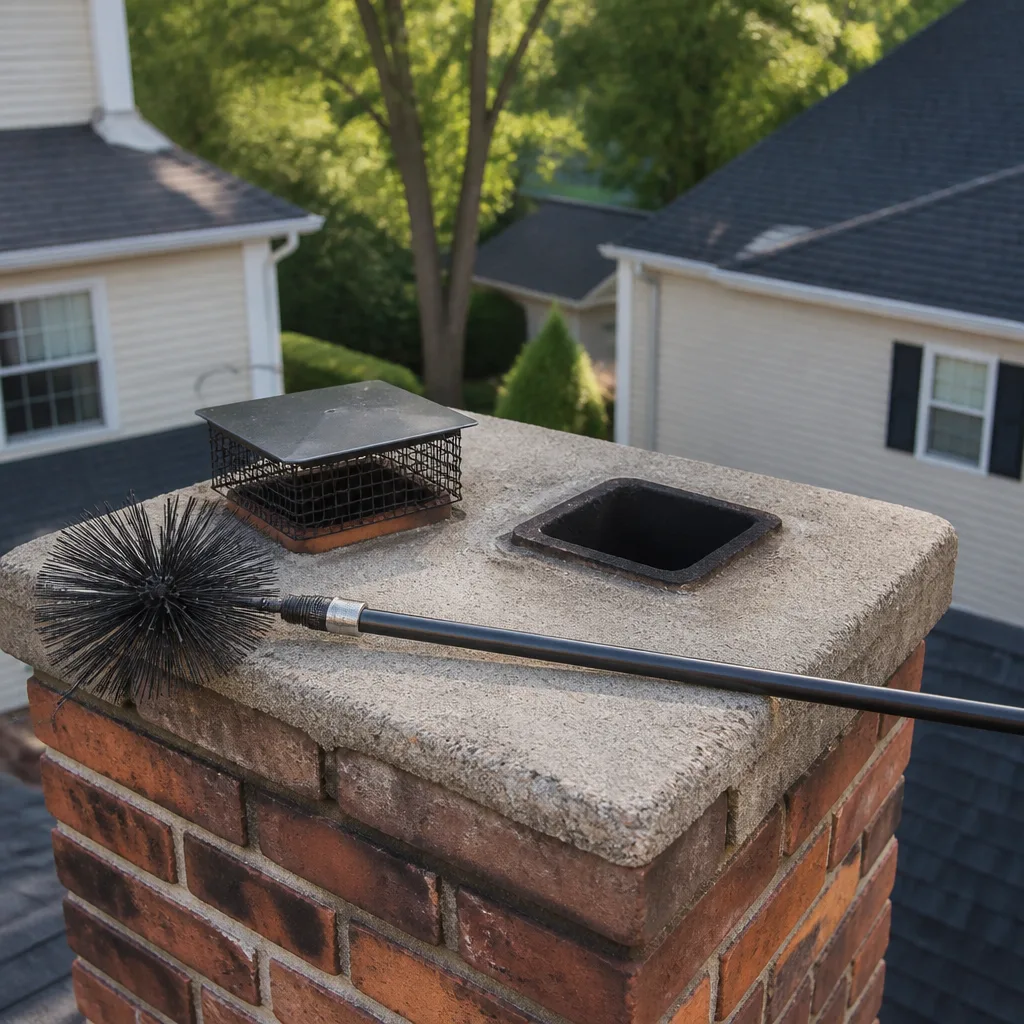
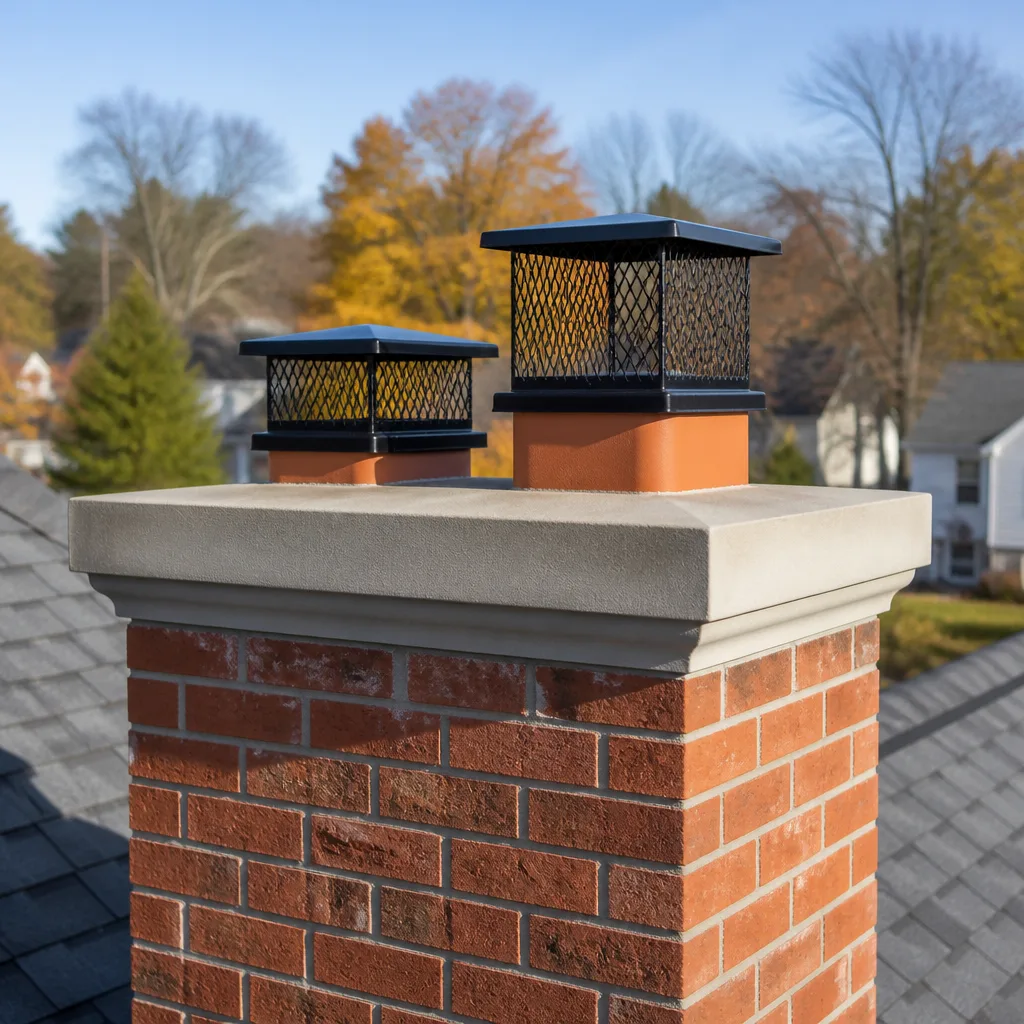
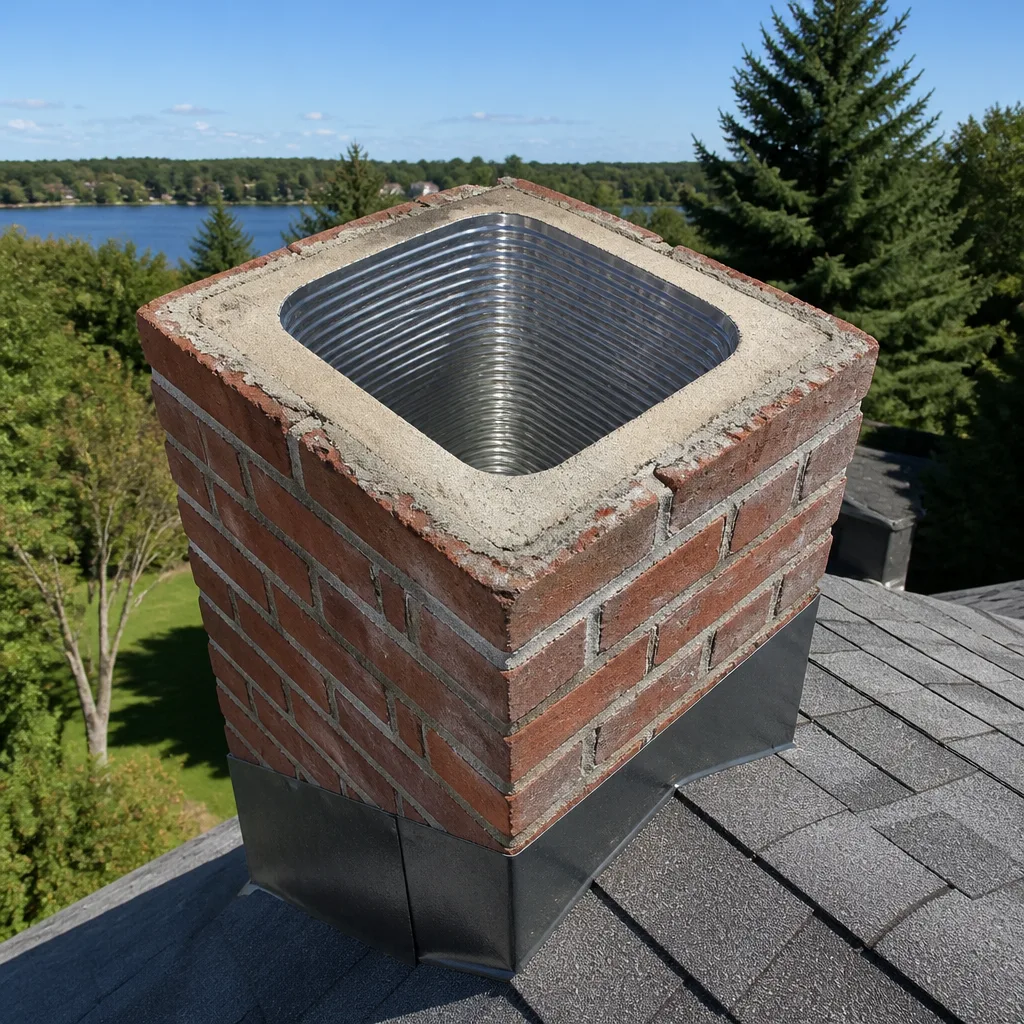
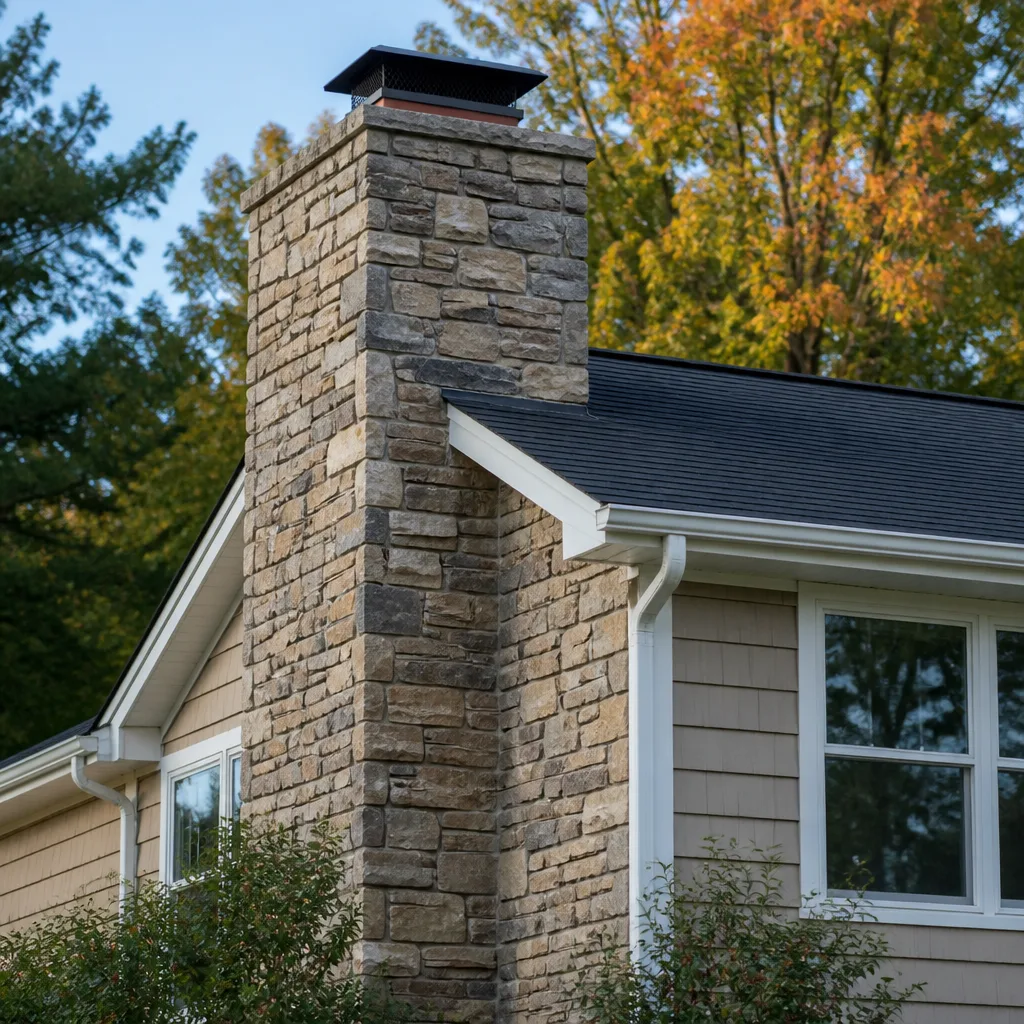
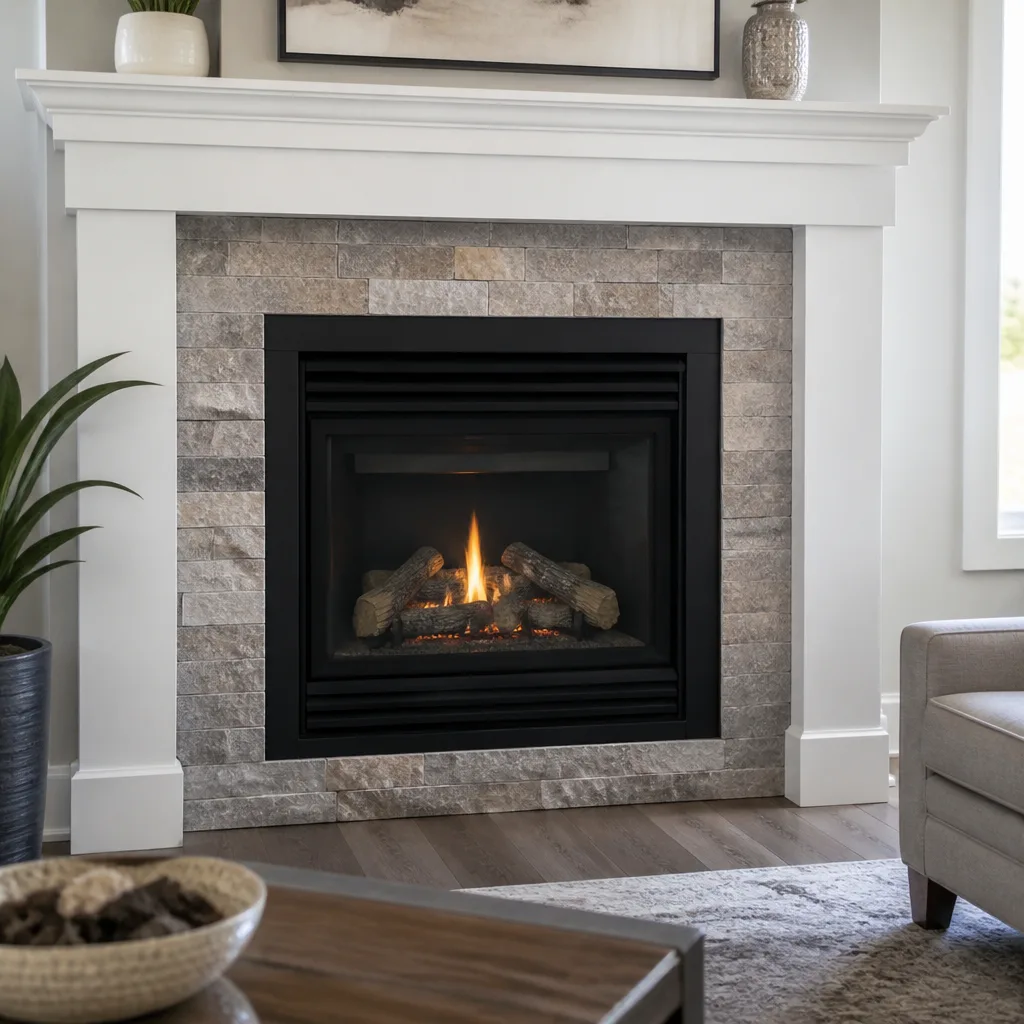
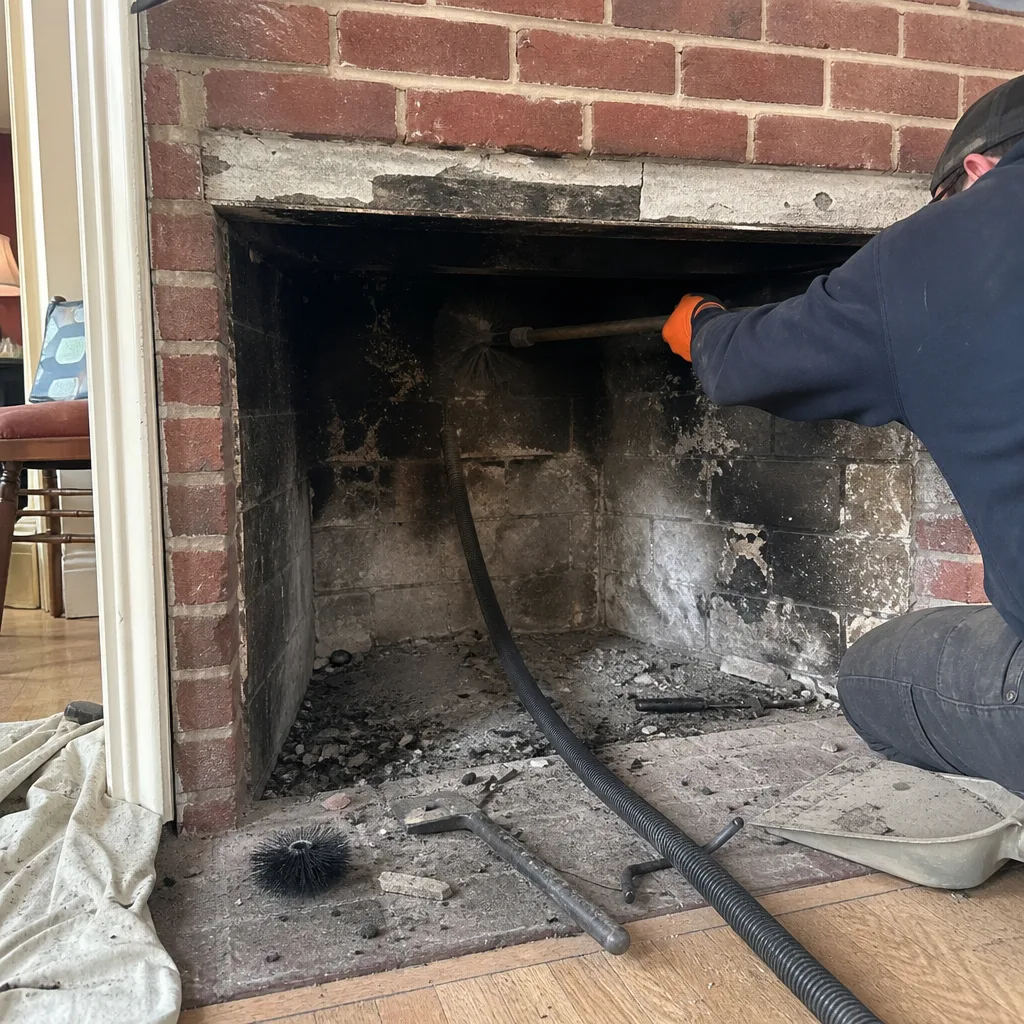 Before
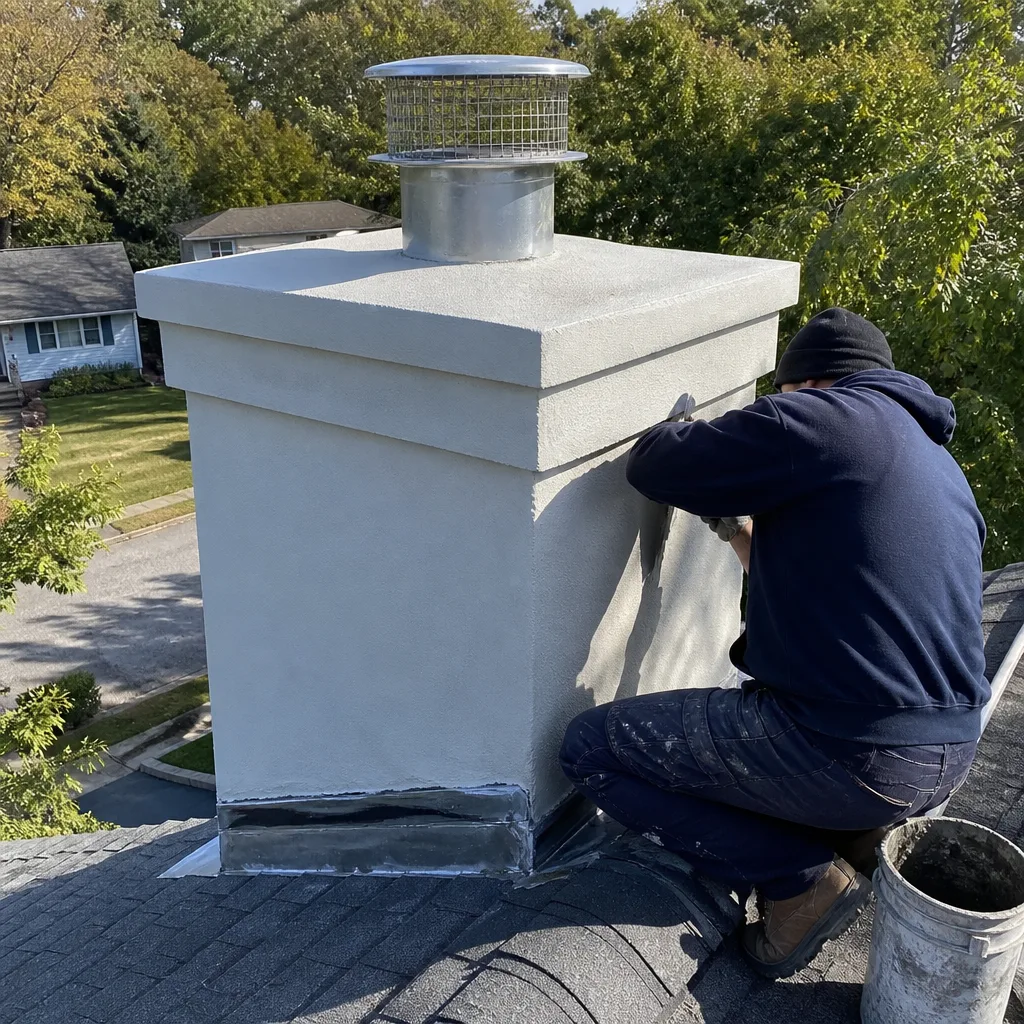 After
After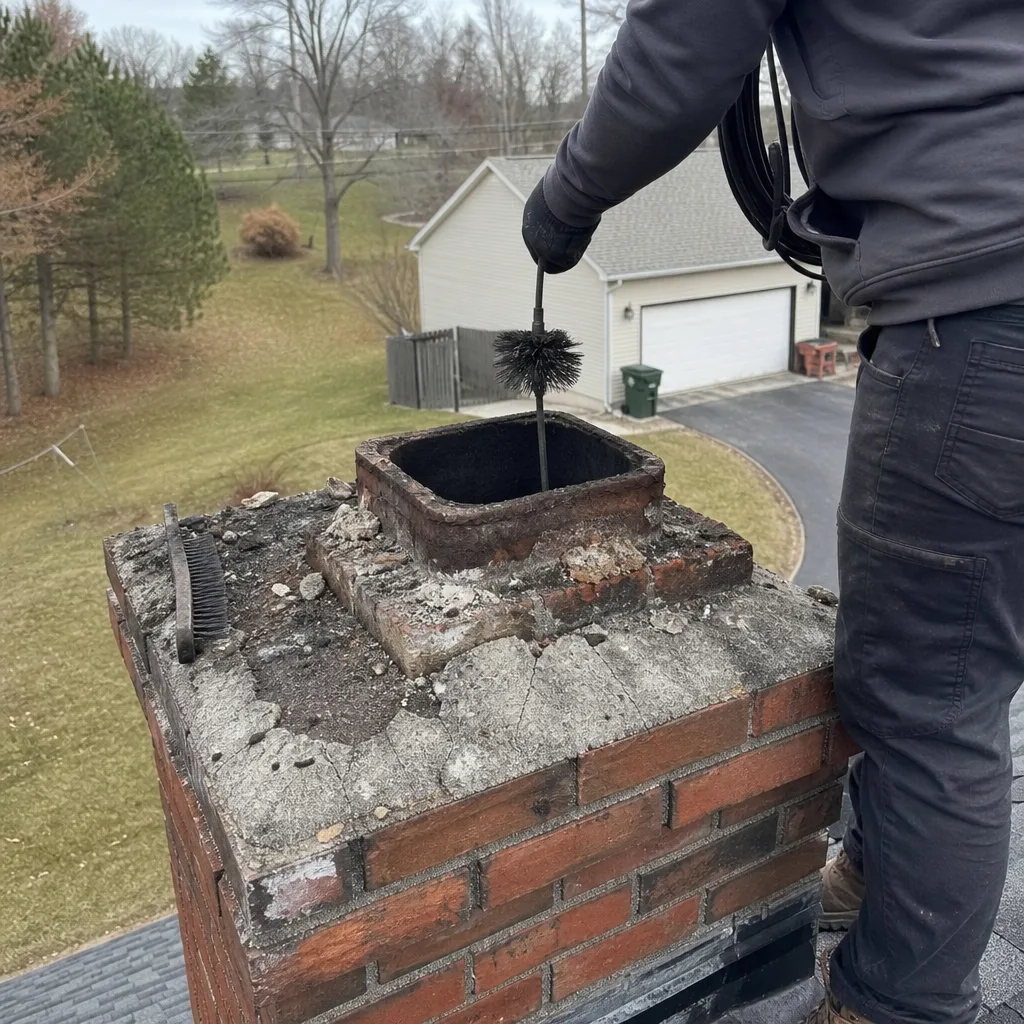 Before
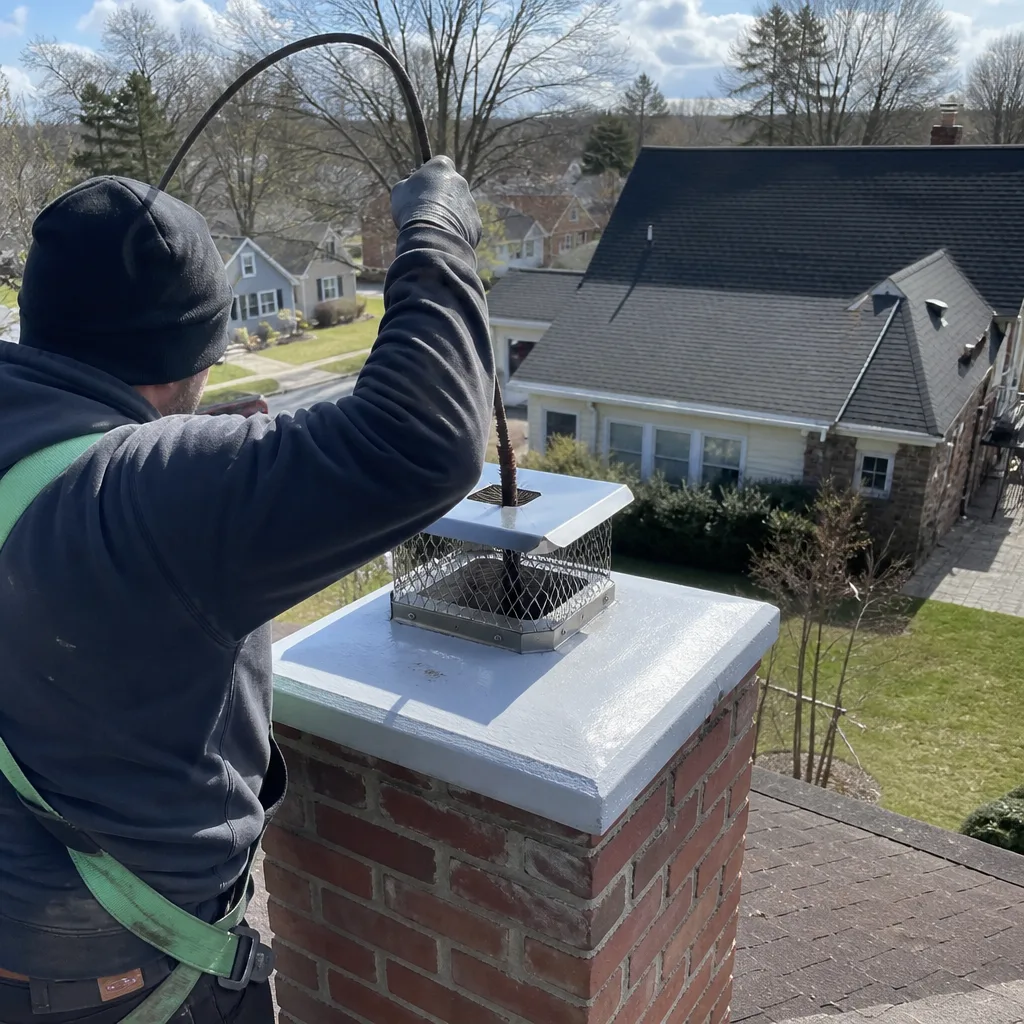 After
After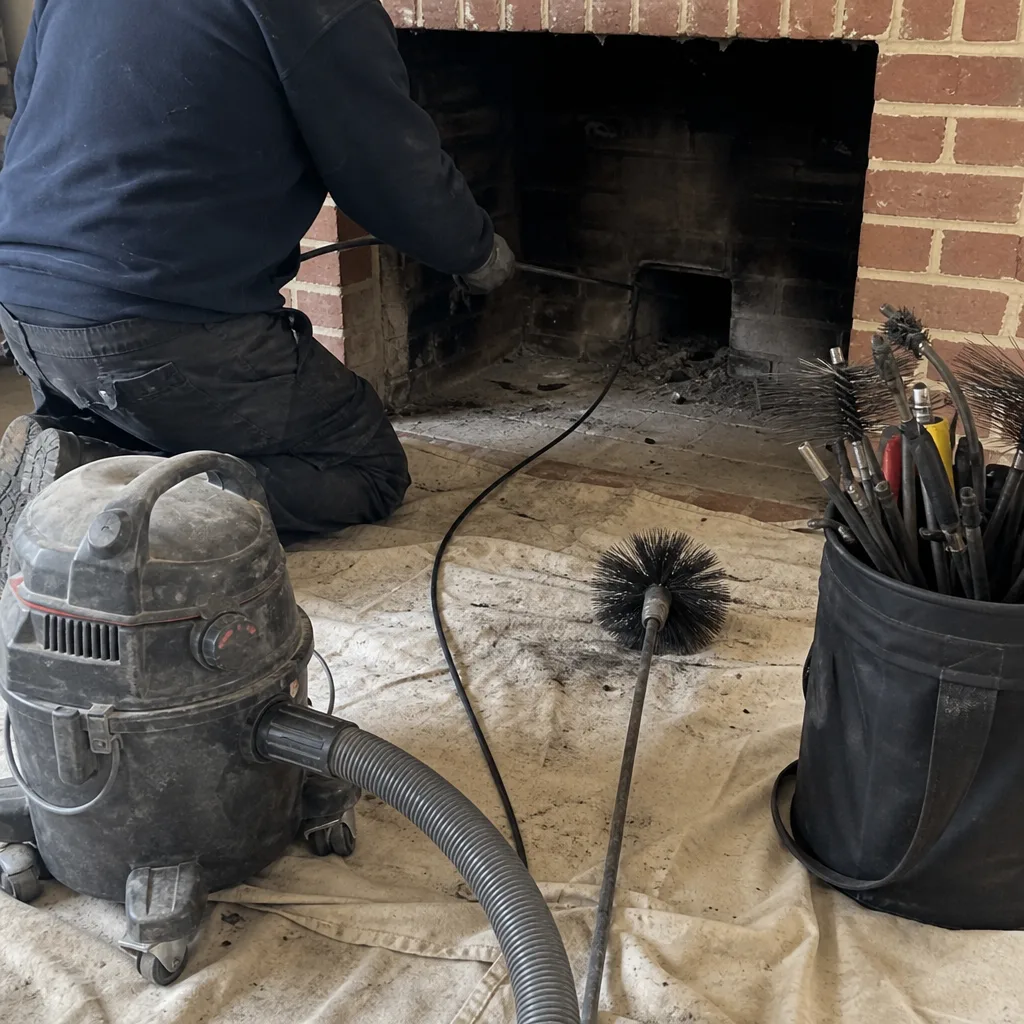 Before
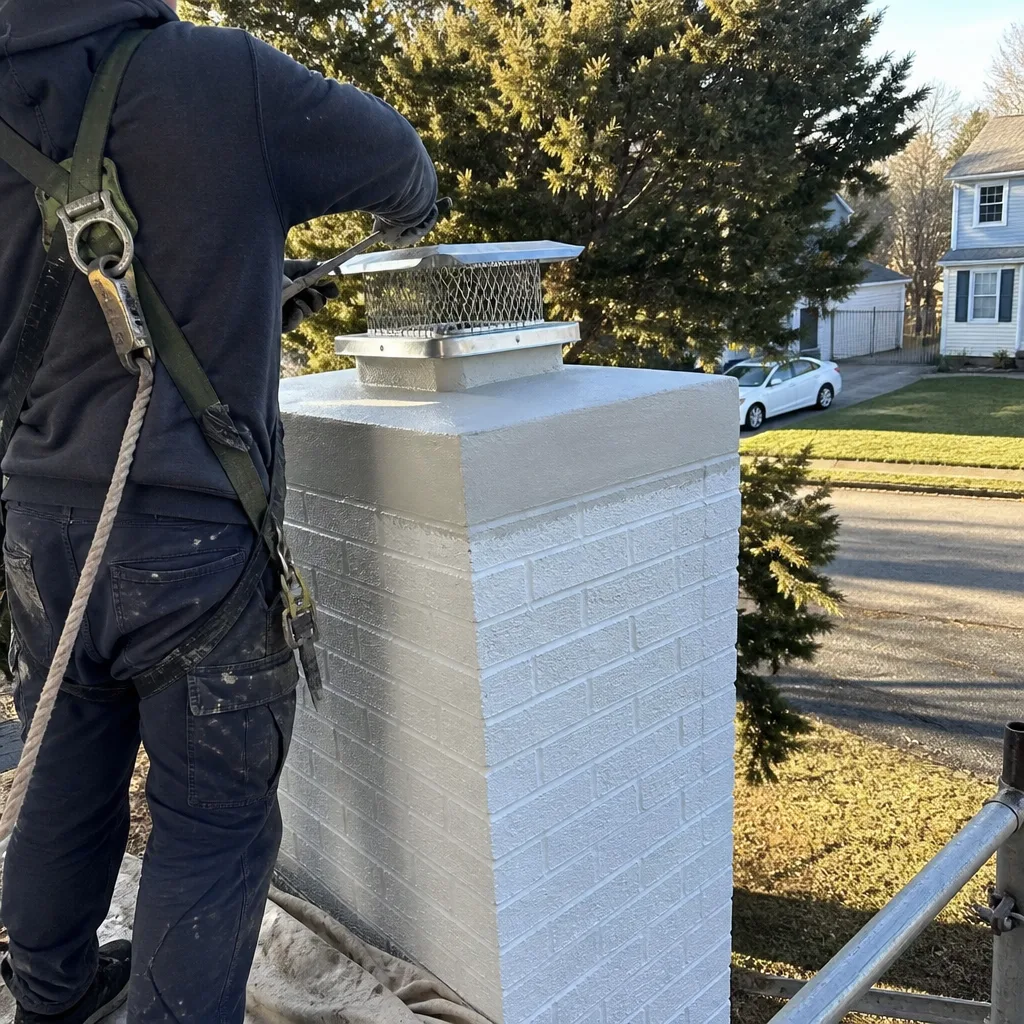 After
AfterHow to Hire a Chimney Cleaning Contractor in Seaford: A Step-by-Step Guide
In New York State, any person can legally show up with a brush and call themselves a chimney sweep - no license required, no training mandated, no oversight whatsoever. This is why the burden of vetting falls entirely on you, and why knowing the three questions that disqualify a contractor in under two minutes is worth more than any star rating. Seaford homeowners, particularly those in established neighborhoods like Harbor Green or along the waterfront near Seaford Creek, have learned the hard way that a cheap sweep can turn into an expensive rebuild. This guide gives you the exact questions to ask, the answers that matter, and the warning signs that send us running the other way, or explore more guides & resources for Seaford homeowners.
Quick Answer
To hire a chimney cleaning contractor in Seaford, verify CSIA certification and liability insurance with chimney work explicitly listed, insist on an in-person assessment before any quote, and demand a written scope of work with a clear warranty. Avoid anyone who gives a firm price over the phone, operates from a P.O. box, or cannot explain what happens if they find unexpected damage mid-job.
Table of Contents
- Why New York’s Lack of Chimney Licensing Puts Seaford Homeowners at Risk
- The Three Disqualifying Questions to Ask Before Anyone Visits
- The Credentials That Actually Matter (and How to Verify Them)
- Why a Phone Quote Is a Red Flag, Not a Convenience
- What Your Written Scope of Work Must Include
- How to Read Chimney Contractor Reviews Like an Inspector
- The Questions That Separate a Craftsman From a Price-Cutter
- Seaford-Specific Factors: Salt Air, Older Homes, and Local Codes
Why New York’s Lack of Chimney Licensing Puts Seaford Homeowners at Risk
New York State does not require a license to perform chimney sweeping or repair. Not in Albany, not in Manhattan, not in Seaford. A person can buy a brush online this morning and be in your driveway by afternoon, claiming expertise they have never earned. This is not hyperbole - we’ve seen it.
The absence of state-level oversight means the chimney industry operates on a patchwork of voluntary certifications, municipal business registrations, and whatever insurance a contractor chooses to carry. Some towns in Nassau County require a home improvement contractor registration, but this is not the same as a trade license. It does not test chimney knowledge. It does not verify training. It merely confirms that a business paid a fee and filed paperwork.
For Seaford homeowners, this creates a specific vulnerability. Our housing stock skews older - many homes in the Seaford Harbor and Seaford Manor areas were built in the 1950s and 1960s, with masonry chimneys that have weathered six decades of Long Island’s freeze-thaw cycles and salt-laden air. These chimneys require more than a brush run through the flue. They need someone who understands how coastal moisture accelerates mortar deterioration, who recognizes the difference between surface spalling and structural compromise, and who will not treat a potentially dangerous liner failure as routine maintenance.
We’ve responded to calls in Seaford where a previous “sweep” - no certification, no insurance we could locate - had told the homeowner their chimney was “fine” while missing a cracked flue liner that was venting carbon monoxide into the wall cavity. The homeowner smelled nothing. There was no smoke. The danger was invisible until we put a camera inside and showed them the footage.
This is why vetting matters more here than in states with mandatory licensing. The state will not protect you. Your town’s registration requirement will not protect you. Only your own due diligence will.
The Three Disqualifying Questions to Ask Before Anyone Visits
Before you schedule an appointment, ask these three questions by phone. The wrong answer to any one of them should end the conversation.
- Are you CSIA certified, and can you provide your certification number?
The Chimney Safety Institute of America (CSIA) is the only nationally recognized certification for chimney sweeps. It requires passing a comprehensive exam, adhering to a code of ethics, and recertifying every three years. A certified sweep will know their number without hesitation. A pause, a deflection, or an offer to “show you when I get there” is a disqualifier. We’ve heard every excuse - “I’ve been doing this twenty years,” “Certification is just a piece of paper,” “My uncle taught me the trade.” None of them replace verified training in combustion science, building codes, and safety standards. - Does your liability insurance specifically list chimney work, and will you provide a certificate naming me as additional insured?
General liability insurance is not enough. Many contractors carry policies that exclude work at height, masonry repair, or flue relining. Ask specifically whether chimney sweeping, inspection, and repair are named coverages. Then request a certificate of insurance naming you as additional insured for the date of service. This costs the contractor nothing and protects you if damage occurs. Anyone who resists this request has something to hide. In our 42 years, we’ve never refused this request - and we’ve seen the aftermath of contractors who operated without adequate coverage, leaving homeowners to pay for a roof damaged by careless ladder placement or a carpet ruined by soot. - What is your physical business address, and how long have you operated from that location?
P.O. boxes, UPS store addresses, and “we’re based in the tri-state area” are all red flags. You want a contractor with a fixed location they cannot disappear from. This is particularly important in Seaford, where the seasonal nature of chimney work attracts operators who appear in October and vanish in January. A physical address means accountability. It means a place to serve legal papers if something goes wrong. It means a business that plans to be around when you need them next year. Hearthstone Chimney Co. has operated from our established location for decades - we’re not going anywhere, and our customers know where to find us.
If a contractor passes all three questions, schedule the visit. If they fail any one, keep calling. The next name on your list is worth more than the risk.
The Credentials That Actually Matter (and How to Verify Them)
Beyond the three disqualifying questions, several credentials separate legitimate professionals from the rest of the field. Here’s what to look for and how to confirm them.
CSIA Certified Chimney Sweep
This remains the gold standard. Verification is simple: visit csia.org and use their “Find a Certified Professional” tool. Enter the sweep’s name or certification number. If they are not listed, they are not certified - regardless of what their website claims. Be aware that some contractors list “CSIA member” or “CSIA-trained,” which are not the same as certified. Only “CSIA Certified Chimney Sweep” carries the full credential.
NCSG Membership
The National Chimney Sweep Guild is a trade association with ethical standards and continuing education requirements. Membership alone does not guarantee competence, but it indicates a commitment to the profession rather than a fly-by-night operation. Verify membership at ncsg.org.
Local Business Registration
In Nassau County, home improvement contractors must register with the Office of Consumer Affairs. This is a baseline requirement, not a mark of excellence. You can verify registration through the county’s online portal. An unregistered contractor is operating illegally - full stop.
Manufacturer Certifications
Contractors who install specific products often carry manufacturer certifications. At Hearthstone Chimney Co., we work exclusively with professional-grade materials from Olympia Chimney, Famco, Copperfield, DuraFlex, HeatShield, and Gelco. These certifications matter because they ensure proper installation techniques and preserve product warranties. A contractor using generic or builder-grade substitutes cannot offer the same protection.
Workers’ Compensation Insurance
If a worker is injured on your property and the contractor lacks workers’ comp, your homeowner’s policy may be the primary coverage. This is a financial catastrophe waiting to happen. Request a certificate showing current workers’ compensation coverage. In New York, this is mandatory for most businesses with employees, but enforcement in the informal economy is weak.
Why a Phone Quote Is a Red Flag, Not a Convenience
We understand the appeal. You want to know what something costs before committing your afternoon to a house visit. But in chimney work, a quote given without seeing the chimney is not a quote - it is a guess, and usually a low one designed to get a foot in the door.
Here’s what a phone quote cannot account for: the actual buildup level in your flue (light soot versus glazed creosote requiring chemical treatment), the condition of your liner (intact versus cracked or missing), the structural integrity of your crown and cap, the accessibility of your roof, and whether your damper operates properly. Each of these affects both the scope of work and the final price.
We’ve seen Seaford homeowners quoted “$150 for a sweep” over the phone, only to face a $1,200 upsell once the contractor arrives and “discovers” problems they should have anticipated. Sometimes the problems are real. Often the initial quote was never realistic - it was bait.
A legitimate contractor will explain their pricing structure clearly: what a standard sweep and inspection includes, what conditions might add cost, and what their process is for communicating unexpected findings. At Hearthstone Chimney Co., we provide no-hassle upfront pricing - but only after we’ve assessed the chimney in person. The number on the estimate is the number on the invoice. No surprises.
The honest contractor’s answer to “How much?” should sound like this: “A standard Level 1 sweep and inspection in Seaford typically runs between X and Y, depending on accessibility and buildup level. I’ll need to see your chimney to give you a firm number, and that assessment is free with no obligation.” Anything else is suspect.
What Your Written Scope of Work Must Include
Verbal promises are worth the paper they’re printed on. When something goes wrong - and in chimney work, with hidden conditions and safety implications, things can go wrong - you need documentation that protects both you and the contractor.
A proper written scope of work should include:
- Exact services to be performed: Specify whether this is a Level 1, 2, or 3 inspection per NFPA 211 standards. Most routine maintenance requires Level 1. If you’ve had a chimney fire, purchased a home, or notice damage, Level 2 with camera inspection is appropriate. Level 3 involves demolition of building materials and should never be a surprise.
- Materials and products: If relining, resurfacing, or rebuilding is involved, the specific products should be named. We specify brands like DuraFlex for stainless steel liners or HeatShield for cerfractory resurfacing - not “chimney liner” or “fireproof coating.”
- Total price and payment terms: The full amount, any deposit required, and when payment is due. Be wary of demands for full payment upfront. A reasonable deposit with balance due upon satisfactory completion is standard.
- Warranty terms: What is covered, for how long, and what triggers it. Our Hearthstone Chimney Co. home details the 90-Day Done Right Promise - in writing, no arguing. If it’s not right, we make it right. Any warranty should be specific enough to enforce.
- Start and completion dates: Or, for weather-dependent exterior work, a clear window with communication protocols.
- Cleanup and protection: How your home will be protected during work, and who is responsible for debris removal.
- Signature lines for both parties: Dated, with copies for each.
In Seaford, where many homes have finished basements with fireplaces or wood stoves, the scope should also specify protection for flooring, furniture, and HVAC systems. Soot is unforgiving, and a careless contractor can do thousands in damage that your homeowner’s policy may not cover.
We provide every customer with a written scope before any work begins. No exceptions. The K.E.Y.S. values code governs everything we do: Krafted right, Every time, Your home first, Standing behind it. That starts with clarity about what we will and will not do.
How to Read Chimney Contractor Reviews Like an Inspector
Online reviews are useful but dangerous - useful because they reveal patterns, dangerous because they can be gamed and because angry customers write more often than satisfied ones. Here’s how to read them with a critical eye specific to chimney work.
Look for accountability patterns, not isolated complaints.
A single one-star review about a missed appointment could be a disgruntled customer or a competitor’s fake. But three or more reviews citing the same issue - no-shows, upselling, refusal to honor warranties - reveals a business practice. Search specifically for how the company responded. Did they acknowledge the problem and offer resolution? Or did they attack the reviewer, make excuses, or ignore it entirely? At Hearthstone Chimney Co., we answer every call with a live person 24 hours a day, 7 days a week precisely because we know that accessibility is where accountability starts.
Watch for review timing clusters.
A burst of five-star reviews all posted within a week, particularly from accounts with no other activity, suggests solicitation or worse. Legitimate reviews arrive steadily, year-round, from accounts with varied review histories.
Read the three-star reviews most carefully.
These tend to be the most balanced - customers who saw both good and bad and are trying to be fair. Look for specifics about the work quality, the technician’s demeanor, and whether the final price matched the estimate. Vague praise (“Great guys, highly recommend”) tells you nothing about whether your chimney was actually made safer.
Check multiple platforms.
Google, Yelp, Better Business Bureau, and Angi all have different review ecosystems. A company with stellar Google reviews and a C-minus BBB rating warrants investigation. The BBB specifically tracks complaint resolution - how a company handles things when they go wrong matters more than the absence of problems.
Ask for references you can actually call.
This old-fashioned step separates established businesses from operators who exist only online. A contractor with 42 years in the community should have customers willing to speak with you. We do.
The Questions That Separate a Craftsman From a Price-Cutter
Once you’ve verified credentials and read reviews, the final filter is the in-person interaction. These questions reveal whether you’re talking to a craftsman or someone racing to the next job.
“What happens if you find something unexpected mid-job?”
The price-cutter stops work and demands more money, often with pressure tactics about safety. The craftsman has a protocol: stop work, document the finding with photos, explain the implications in plain English, and provide a revised scope with no obligation to proceed. At Hearthstone Chimney Co., our Level-2 camera inspections end with photos you can see and a plain-English verdict - documented like an engineer, explained like a craftsman. Nothing is recommended without evidence you can examine yourself.
“Will I receive a written report with photos?”
A verbal “everything looks good” is worthless for your records, your insurance, or a future home sale. Demand a written report with dated photographs. This is standard for Level 2 inspections and should be available for any significant finding. We include this with every inspection - not as an upsell, but as basic professionalism.
“What does your warranty cover, and what voids it?”
Vague promises of “satisfaction guaranteed” mean nothing. Get specifics: duration, what is covered (parts, labor, both?), whether transfer to a new homeowner is permitted, and what maintenance is required to keep it valid. Our 90-Day Done Right Promise is governed by the K.E.Y.S. values code and backed in writing with no paperwork and no arguing. If it’s not done right, we come back. Period.
“What brands and materials do you use?”
The answer should include specific manufacturers, not generic descriptions. We work with professional-grade materials from Olympia Chimney, Famco, Copperfield, DuraFlex, HeatShield, and Gelco because these companies stand behind their products and we can stand behind our installation. A contractor who cannot name their suppliers is using whatever is cheapest this week.
“How do you handle cleanup?”
Chimney work is dirty. The mark of a professional is not whether mess occurs - it will - but how completely it is eliminated before they leave. Ask about drop cloths, HEPA vacuums, and protection for adjacent spaces. Our background-checked, uniformed technicians complete most jobs in a single visit, and they leave your home as they found it.
Seaford-Specific Factors: Salt Air, Older Homes, and Local Codes
Seaford presents unique conditions that affect chimney maintenance and contractor selection. Understanding these helps you ask better questions and evaluate answers.
Coastal salt accelerates masonry deterioration.
Seaford’s proximity to the South Shore means salt-laden air penetrates brick and mortar, accelerating spalling and freeze-thaw damage. We’ve replaced crowns in Seaford Harbor that were less than ten years old because salt intrusion compromised the concrete. A contractor unfamiliar with coastal masonry may apply standard inland solutions that fail prematurely. Ask specifically about their experience with salt-affected chimneys and whether they use marine-grade sealants where appropriate.
Many Seaford homes have unlined or partially lined chimneys.
Housing stock from the 1950s and 1960s often lacks clay tile liners or has deteriorated originals. This is not always visible from the firebox. A contractor who does not perform camera inspection cannot assess liner condition. In our experience, unlined chimneys in the Seaford Manor area are particularly common, and the transition to modern stainless steel liners requires specific expertise with Chimney Repair in Seaford techniques.
Local burning regulations matter.
Nassau County has specific requirements for wood-burning appliances, including EPA certification standards for new installations. A contractor who does not know these requirements may install non-compliant equipment or fail to obtain necessary permits, so review Chimney Cleaning Permits, Codes & Inspections in NY: What You Need to Know before hiring. Ask whether they handle permitting or expect you to navigate Nassau County’s building department alone.
Neighborhood access varies.
Some Seaford streets, particularly in older sections near the creek, have limited parking and tight setbacks. This affects equipment access and ladder placement. An experienced local contractor knows these constraints and plans accordingly. We’ve learned which driveways accommodate our full equipment and where we need alternative approaches.
Seasonal demand creates scheduling pressure.
October through January sees peak demand. The best contractors book weeks ahead. Planning your sweep in late summer or early fall ensures availability and often better pricing, as detailed in our Seasonal Chimney Cleaning Care for Seaford: Year-Round Homeowner’s Guide. Waiting until the first cold snap means choosing from whoever is left - precisely when the unqualified operators are most active.
Common Mistakes to Avoid
- Hiring based on price alone. The lowest bid often reflects omitted services, inferior materials, or uninsured labor. In Seaford, we’ve corrected work from cut-rate sweeps who missed cracked flue liners that posed active carbon monoxide hazards. The savings evaporated and the danger remained.
- Accepting a verbal quote as binding. Without written documentation, you have no recourse when the final bill doubles. A verbal promise is worth nothing when the contractor has moved on to the next town.
- Skipping the insurance verification. We have seen homeowners left liable for worker injuries and property damage because they trusted a contractor’s assurance without requesting certificates. The two minutes to verify saves years of potential litigation.
- Assuming all certifications are equal. “Certified chimney professional” from an unrecognized online course is not CSIA certification. Verify the specific credential and its requirements.
- Ignoring neighborhood-specific experience. A contractor based in Suffolk County may never have worked on Seaford’s salt-affected masonry or navigated its older home configurations. Local experience matters for accurate diagnosis and appropriate solutions.
- Waiting until burning season to schedule. By October, qualified contractors are booked solid. The available slots go to whoever answers the phone - not necessarily whoever should be in your home.
- Failing to ask about unexpected findings protocol. Every chimney hides something. Knowing how your contractor handles surprises before they occur prevents pressure tactics and ensures informed decisions.
When to Call a Professional
Certain situations demand immediate professional assessment regardless of your regular maintenance schedule. Call a certified chimney sweep if you notice: smoke entering your living space, a strong odor of creosote even when the fireplace is cold, visible cracks in exterior masonry, white staining (efflorescence) on the chimney exterior, rust on the damper or firebox, or any evidence of previous chimney fire such as distorted metal or puffy creosote deposits.
Carbon monoxide is odorless and colorless. A deteriorated flue liner or blocked chimney can vent combustion gases into your home without warning signs. If you have any reason to suspect compromised venting, treat it as urgent.
Hearthstone Chimney Co. offers free estimates in Seaford - call (516) 614-4632. We’ll assess your chimney, show you what we find, and give you a plain-English verdict with no pressure to proceed. We’ve served this community for over 42 years, and we plan to be here when your children need their chimneys swept.
Frequently Asked Questions
A standard Level 1 chimney sweep and inspection in Seaford typically ranges from $200 to $350, depending on accessibility, buildup level, and whether the chimney serves a fireplace, wood stove, or furnace. Level 2 inspections with camera evaluation run higher, usually $300 to $500, and are recommended for real estate transactions, after chimney fires, or when significant changes have been made to the system. Call (516) 614-4632 for an exact quote - estimates are free.
You need a new liner if your existing liner is cracked, missing, or improperly sized for your appliance - conditions that create fire hazards and carbon monoxide risks. We never recommend liner replacement without camera documentation you can see yourself. In Seaford’s older homes, unlined or deteriorated clay tile liners are common, but each situation requires individual assessment. Some chimneys can be resurfaced with HeatShield at lower cost; others need full stainless steel relining with DuraFlex. The answer depends on what the camera shows.
The National Fire Protection Association recommends annual inspection, with sweeping as needed based on creosote accumulation. For Seaford homeowners who burn wood regularly - particularly dense hardwoods like oak common on Long Island - annual sweeping is typically necessary. Those who use their fireplace occasionally may extend to every two years, but the inspection should still happen annually. Coastal moisture and salt air can accelerate deterioration even in rarely used chimneys, making the inspection component especially important here.
Skipped maintenance leads to creosote buildup, which ignites at approximately 451 degrees and causes chimney fires that can reach 2,000 degrees. These fires crack flue liners, damage masonry, and can spread to the structure of your home. Even without fire, deteriorated liners vent carbon monoxide into living spaces. In Seaford’s older housing stock, where many chimneys have already endured decades of freeze-thaw cycles, deferred maintenance turns manageable repairs into major rebuilds. The cost of prevention is always lower than the cost of remediation.
We do not recommend DIY chimney cleaning for Seaford homeowners. Proper chimney maintenance requires specialized tools, camera equipment to assess liner condition, and training to recognize hazards that are not visible from the firebox. Creosote removal, particularly glazed creosote requiring chemical treatment, demands professional-grade equipment and safety protocols. More critically, without camera inspection you cannot assess the condition of the flue liner - the component most responsible for preventing carbon monoxide intrusion and containing chimney fires. This is not a task where saving money is worth the risk.
A professional inspection begins with exterior evaluation of the chimney structure, crown, cap, and flashing. The technician then examines the firebox, damper, and smoke chamber before running a camera up the flue to document liner condition, creosote buildup, and any obstructions. You should receive photos of significant findings and a written report with recommendations. At Hearthstone Chimney Co., our Fireplace Services in Seaford include this full documentation as standard practice, not an upsell. The process typically takes 45 minutes to 90 minutes depending on chimney complexity.
Request a certificate of insurance directly from the contractor’s insurance provider, not a photocopy from the contractor. The certificate should name you as additional insured for the date of service and should explicitly list chimney sweeping, inspection, and repair as covered operations. General liability policies often exclude work at height or masonry work - verify these are not excluded. Workers’ compensation coverage should also be confirmed if the contractor employs others. Any hesitation or delay in providing this documentation is a reason to choose someone else.
The Bottom Line
Hiring a chimney cleaning contractor in Seaford requires active vetting because New York State requires none. Verify CSIA certification and specific chimney-work insurance. Insist on in-person assessment before any quote. Demand written scope, photo documentation, and clear warranty terms. Read reviews for accountability patterns, not star averages. Ask how unexpected findings are handled, what materials are used, and what cleanup protocols protect your home. The contractors who welcome these questions are the ones worth hiring. Those who resist them have already told you everything you need to know.
We’ve built Hearthstone Chimney Co. on the principle that a square deal needs no explanation - no surprises on the bill, photos you can see, a plain-English verdict, and work done right with our 90-Day Done Right Promise behind it. If you’re evaluating chimney contractors in Seaford, we welcome your questions. We’ll answer them directly, show you our credentials without hesitation, and leave the decision where it belongs - with you.
Written by Russell Haines, Owner at Hearthstone Chimney Co., serving Seaford since 2014.